Discover Malaysia

Beautiful Destinations, Unforgettable Experiences

Your modern guide to explore Malaysia's best islands, cities, resorts, food, and budget travel tips.

title

welcome to malaysia

Best Family-Friendly Resorts in Johor Bahru: Top Picks for a Relaxing Weekend Getaway

Johor Bahru is one of those places where a simple two-night family break can work surprisingly well. You can spend the morning at a theme park, cool down in a hotel pool, eat proper local food for dinner, and still avoid the planning headache of a longer holiday.

The only tricky part is choosing where to stay. Some of the best family hotels are in central Johor Bahru, while others are spread across Skudai, Iskandar Puteri and Gelang Patah. They’re all within the wider Greater JB area, but travelling between them can take longer than expected when traffic is heavy.

Here are my honest picks for the Best Family-Friendly Resorts in Johor Bahru: Top Picks for a Relaxing Weekend Getaway, including who each property is best for and the little inconveniences worth knowing before you book.

Quick Picks: Which Resort Should You Choose?

  • Best overall for children: LEGOLAND Malaysia Hotel
  • Best for a quiet resort atmosphere: Pulai Springs Resort
  • Best for larger families: Sunway Hotel Big Box
  • Best for shopping and city convenience: KSL Hotel & Resort
  • Best for a peaceful short stay: Ponderosa Golf & Country Resort
  • Best for families with a car: Forest City Golf Hotel

1. LEGOLAND Malaysia Hotel

Best for families with young children

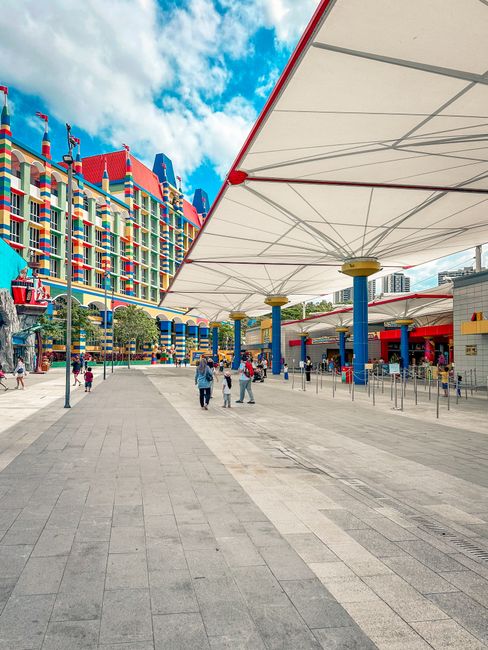
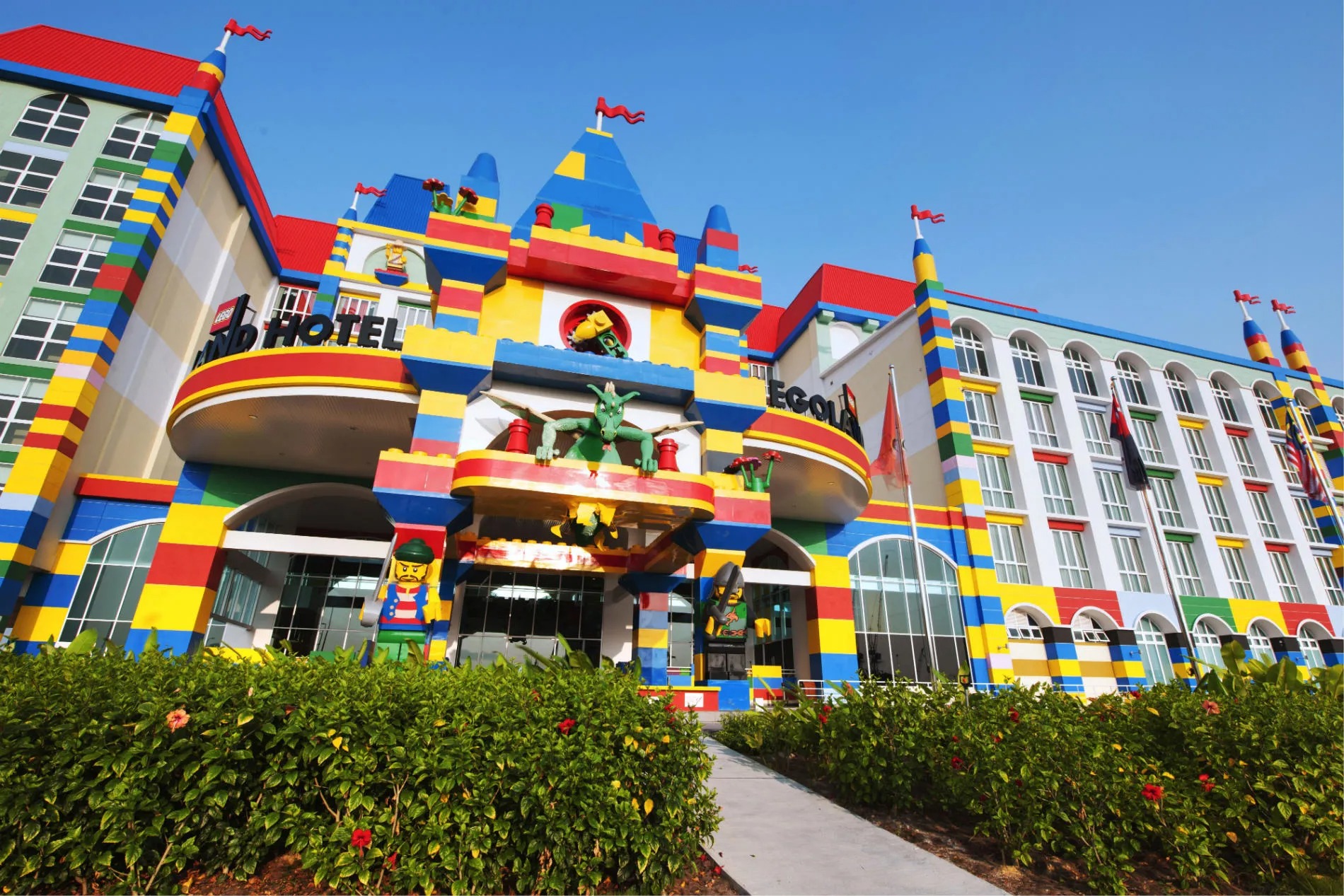
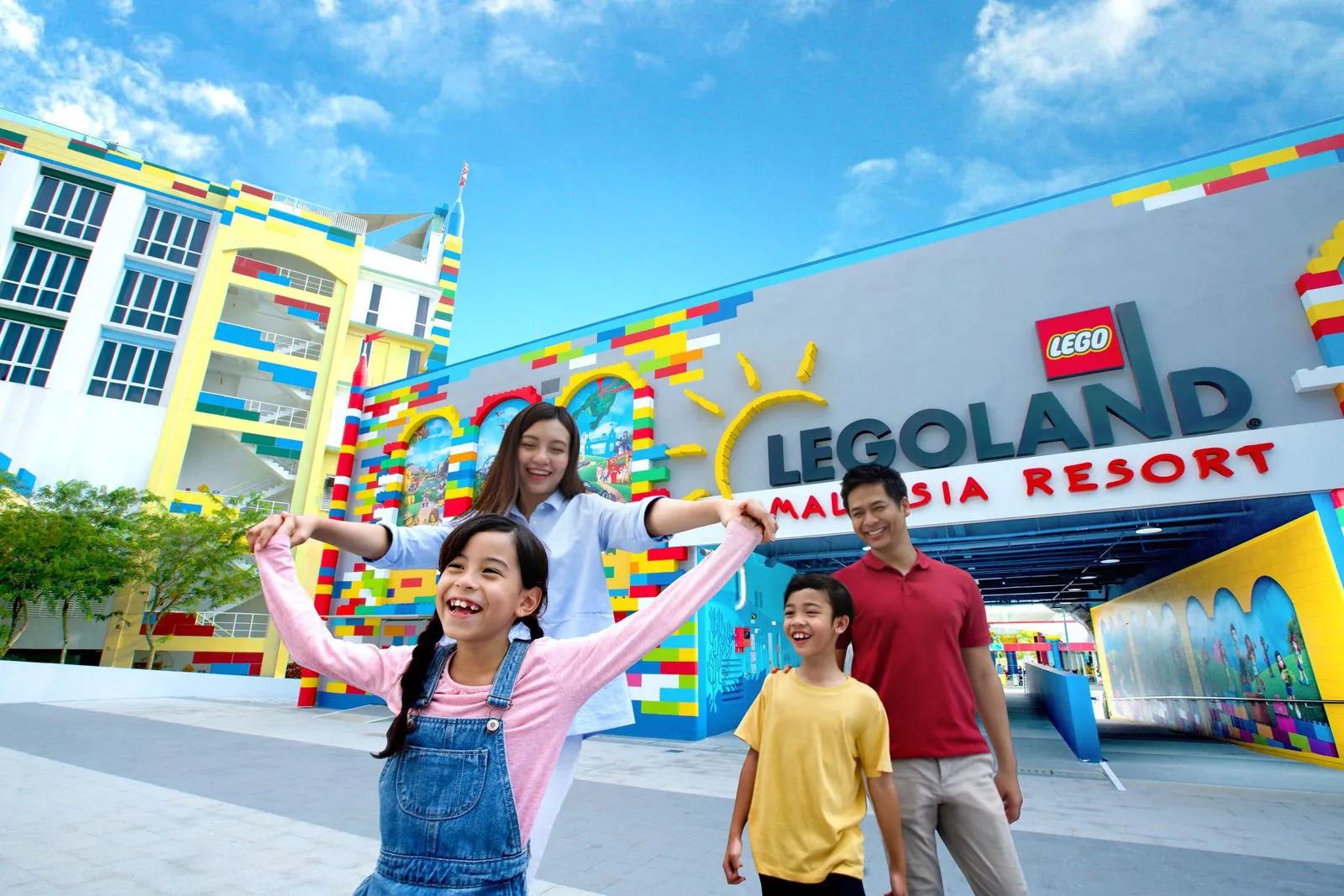
There’s no real competition here if the holiday is mainly for the kids. LEGOLAND Malaysia Hotel is designed around family travel rather than simply allowing children to stay.

Rooms have separate sleeping areas for adults and children. The children’s section normally includes bunk beds, a pull-out bed and a separate television, while rooms can accommodate up to five guests. Themes include Pirate, Kingdom, Adventure, NINJAGO and LEGO Friends.

The big advantage is location. You’re just steps from LEGOLAND Theme Park, Water Park and SEA LIFE Malaysia. That makes a huge difference after a full day outside. Instead of squeezing tired children into a car and sitting in traffic, you can walk back to the hotel.

Honestly, the room itself is part of the attraction. There are LEGO play areas, themed lifts and small activities throughout the hotel. Parents looking for a quiet boutique atmosphere probably won’t love it, but that’s not really the point.

The annoying part is the price. Published direct rates for some themed rooms start at around RM840, depending on room type, package and travel date.

Also, check the park calendar before confirming your hotel. At the time of writing, the official hotel offer page notes that the Theme Park normally closes on Wednesdays and the Water Park on Tuesdays, except during selected school holidays and public holidays. Operating days can change, so don’t assume every attraction will be open throughout your stay.

Ideal stay: Two nights if you want to visit more than one park.

2. Pulai Springs Resort

Best for a slower, more relaxing family weekend

Pulai Springs feels more like a traditional resort than most hotels around JB. It sits in Pulai, close to Skudai, with landscaped grounds and plenty of space away from the busiest parts of the city.

The resort promotes itself as a family-friendly property with five swimming pools, which is a major reason families choose it.

What I like most about this option is that you don’t need a packed itinerary. Children can swim, parents can sit around the pool, and everyone can take a proper break. It works especially well for families who have already visited LEGOLAND or simply don’t want every hour of the weekend scheduled.

Rooms and suites tend to offer more space than a standard city hotel room, and free parking makes it convenient for families driving from Kuala Lumpur, Melaka or Singapore.

The downside is the location. Pulai Springs isn’t a practical base for walking around central JB. You’ll need a car or ride-hailing service for restaurants and attractions outside the property.

Ideal stay: One or two nights, especially if swimming and resting are the main plans.

3. Sunway Hotel Big Box

Best for larger families visiting Iskandar Puteri

Sunway Hotel Big Box is a modern family option in Iskandar Puteri. It connects directly to Sunway Big Box Retail Park, so food, shopping and basic supplies are nearby. That sounds like a small detail, but after travelling with children, being able to buy snacks, diapers or medicine without another car journey is extremely useful.

The hotel has a swimming pool, fitness centre and several family room configurations. Its two-bedroom family suite can accommodate up to six adults and two children, depending on the sleeping arrangement. It includes multiple bathrooms, a microwave, a sitting area and several televisions. A complimentary shuttle to LEGOLAND is also available, subject to booking after check-in.

This is a much calmer alternative to staying inside the LEGOLAND Hotel. Children won’t get the full LEGO-themed experience, but parents usually get more space and a quieter room.

Surprisingly, this can also be a good choice for multi-generational trips. Grandparents can have a separate sleeping area, and nobody needs to fight over one bathroom in the morning.

Ideal stay: Two nights for LEGOLAND, Puteri Harbour and nearby attractions.

4. KSL Hotel & Resort

Best for shopping, food and city convenience

KSL Hotel & Resort is one of the easiest choices for families who want to stay within Johor Bahru city.

The hotel is linked to KSL City Mall and is surrounded by restaurants, shops and local food areas. Its apartment selection includes two-, three- and four-bedroom units, along with selected apartments featuring private pools.

KSL also has on-site family entertainment, including Funtopia and Dinosaur Alive activities within the wider complex.

This is the property I’d choose when different family members want different things. Children get entertainment, teenagers can browse the mall, and adults can go for a massage or find food without organising transport for the whole group.

The trade-off is that KSL feels like a busy city hotel rather than a peaceful resort. Weekends can be crowded, the lifts may take time during peak periods, and the surrounding roads can get congested.

One useful tip: compare the hotel rooms with the D’Esplanade apartments before booking. For four or more people, an apartment can be more comfortable than squeezing everyone into one standard room.

Ideal stay: One or two nights for shopping, eating and a casual city break.

5. Ponderosa Golf & Country Resort

Best for families wanting somewhere quiet

Ponderosa Golf & Country Resort is a quieter option that tends to suit families who don’t need to stay near the Causeway or LEGOLAND.

The property combines golf facilities with family leisure amenities, including a large swimming pool. Family rooms with pool or garden views are also available.

This isn’t the kind of hotel where you’ll find a long list of children’s programmes. The appeal is space, fewer crowds and a slower atmosphere.

It’s also reasonably placed for driving to IKEA Tebrau, Toppen Shopping Centre and the Mount Austin area. However, walking outside the resort isn’t particularly practical, so having a car makes the stay much easier.

Ideal stay: One night for a quick family reset or a quiet weekend near eastern JB.

6. Forest City Golf Hotel

Best for families who want to stay away from the city

Forest City Golf Hotel is in Gelang Patah, farther from central Johor Bahru than the other properties on this list.

The hotel has almost 300 rooms, including family suites, plus a swimming pool, golf facilities, a gym, a spa and spacious outdoor surroundings.

It can be a good option when your plan is simply to stay at the hotel, swim, rest and enjoy a quiet drive around the area. The surroundings feel more open than central JB, and golfers will obviously get more value from the location.

One thing most tourists don’t realise is just how isolated parts of Forest City can feel. There aren’t as many restaurants and convenience shops immediately outside the hotel. Ride-hailing availability may also be less predictable than in central JB.

I’d only choose Forest City when travelling by car. It’s not the best base for families planning daily trips to downtown Johor Bahru.

Ideal stay: One or two nights with your own transport.

How to Get to Johor Bahru

From Singapore

Families coming from Singapore can travel by car, cross-border bus, private transfer or the KTM Shuttle Tebrau.

The Shuttle Tebrau connects Woodlands Train Checkpoint with JB Sentral. The train journey itself is very short, but popular weekend tickets can disappear quickly, so book through the official KTMB system in advance.

Driving gives you more freedom once you enter Johor, but Causeway and Second Link queues can be unpredictable. Try to avoid entering JB late on Friday evening or returning to Singapore late on Sunday afternoon.

From Senai International Airport

A prepaid airport taxi or Grab is the easiest choice for families with luggage. The official airport information says a taxi ride to central Johor Bahru takes around 30 minutes in normal traffic.

Buses are available and cost less, but the extra transfers may not be worth it when travelling with small children.

Best Time to Visit Johor Bahru

Johor Bahru is hot and humid throughout the year, and rain is possible in every month. This is not a place where you can completely avoid wet weather by choosing the “perfect” season.

For a weekend getaway, timing around crowds matters more than timing around weather.

Try to visit:

  • Outside Malaysian and Singaporean school holidays
  • From Sunday to Tuesday if your schedule is flexible
  • Before major public holidays
  • During months without large regional events

Rain usually arrives in short, heavy bursts, so indoor attractions and mall-connected hotels are useful backups.

How Much Time Do You Need?

Two nights is the sweet spot for most families.

With only one night, check-in and check-out can make the trip feel rushed. Three nights works if you plan to combine LEGOLAND, central JB and a slower resort day.

A comfortable two-night plan might look like this:

  • Day one: Arrive, check in, swim and have an early dinner
  • Day two: Visit one major attraction or spend the day at the resort
  • Day three: Eat a local breakfast, do some light shopping and leave before evening traffic

Don’t try to visit LEGOLAND, central JB, Mount Austin and Forest City in one weekend. Technically it’s possible. Enjoyable? Not really.

What to Eat in Johor Bahru

Johor Bahru has much better local food than the international restaurants inside most hotels.

Locals commonly eat dishes such as laksa Johor, mee rebus Johor, kacang pool, nasi beriani gam and mee bandung. Laksa Johor is especially different because it traditionally uses spaghetti-like noodles with a thick fish and coconut gravy.

Look out for:

  • Kacang pool served with toast, minced meat and a fried egg
  • Laksa Johor for a proper regional speciality
  • Nasi beriani gam for a filling family lunch
  • Mee rebus Johor with thick, slightly sweet gravy
  • Banana cake from the old-town bakery area
  • Curry fish head, though Muslim travellers should confirm halal status before ordering

For everyday meals, locals also eat nasi campur, roti canai, chicken rice, seafood noodles and simple kopitiam breakfasts. You don’t need to queue for every famous restaurant you see online. Sometimes the busy neighbourhood shop around the corner is the easier meal, especially with hungry children.

Good food areas include Jalan Tan Hiok Nee, Taman Pelangi, Taman Sentosa, Mount Austin, Bukit Indah and Eco Botanic.

Lesser-Known Family Stops

Kampung Sungai Melayu

Kampung Sungai Melayu offers a quieter look at the Iskandar Puteri area and is known for ecotourism activities and local asam pedas restaurants. Tourism Johor has also highlighted the village for its cultural and heritage value.

It’s a nice change after spending too much time inside malls.

Puteri Harbour in the Evening

Puteri Harbour is best visited later in the afternoon when the temperature drops. Families can walk around Marina Walk, have dinner and let the children move around without committing to another full attraction.

Johor Bahru Old Town in the Morning

Go early, before the streets become hot and crowded. Have breakfast, walk around Jalan Tan Hiok Nee and pick up snacks before returning to the hotel.

Common Mistakes to Avoid

Booking based only on distance

A hotel may appear close on the map, but traffic can turn a 20-minute drive into a much longer trip. Choose a hotel close to your main activity rather than trying to stay equally close to everything.

Ignoring room occupancy rules

A room with two large beds doesn’t automatically allow four adults and two children. Check the official occupancy limit, breakfast entitlement and extra-bed charges.

Arriving at breakfast during peak time

At large family hotels, breakfast between 8:30 and 9:30 a.m. can be chaotic. Go earlier, especially before visiting a theme park.

Overplanning the weekend

Children usually remember the swimming pool more than the fourth attraction you rushed them through. Leave some empty time.

Forgetting traffic at the border

Build extra time into your journey between JB and Singapore. Don’t schedule an important flight or appointment immediately after a weekend border crossing.

Realistic Family Budget

For a two-night family weekend, a sensible starting budget is:

  • Hotel: RM500–RM1,800
  • Food: RM200–RM500
  • Local transport: RM80–RM250
  • Attractions: RM200–RM1,000 or more
  • Snacks and shopping: RM100–RM300

A simple city stay can remain under RM1,000 for a small family. A LEGOLAND weekend with themed accommodation and park tickets can easily cost more than RM2,000.

Rates rise sharply during school holidays, so compare the hotel’s direct rate with reputable booking platforms before paying.

Packing and Safety Tips

Pack light clothing, swimwear, sunscreen, sandals and a small umbrella. A thin rain jacket is useful, but heavy outdoor clothing will feel uncomfortable in JB’s humidity.

Bring a reusable water bottle and an extra set of clothes for younger children. After swimming, sudden rain and enthusiastic eating, spare clothing disappears faster than expected.

Standard city precautions are enough:

  • Don’t leave phones or bags unattended in restaurants
  • Keep valuables out of sight inside parked cars
  • Supervise children closely around pools
  • Use proper pedestrian crossings where available
  • Check ride-hailing car details before getting in

For mosque visits, wear clothing that covers the shoulders and knees. Remove shoes when requested and avoid entering prayer areas during services unless visitors are clearly allowed.

Final Thoughts

The best family-friendly resort in Johor Bahru depends on the kind of weekend you want.

Choose LEGOLAND Malaysia Hotel when the trip is mainly for the children. Pick Pulai Springs Resort for swimming and proper downtime. Sunway Hotel Big Box works well for larger groups, while KSL Hotel & Resort is the easiest option for shopping and food. Ponderosa and Forest City are better when peace, space and having your own car matter more than staying near major attractions.

The best JB weekends aren’t usually the busiest ones. Book a comfortable room, plan one main activity, eat something local and leave enough time for the pool. That’s normally when the whole family actually comes home feeling rested.

How to Plan a Budget-Friendly Weekend Getaway to Malacca Without Feeling Rushed

Malacca is one of those places that works really well for a short trip. You don't need a long holiday, you don't need a huge budget, and you definitely don't need to plan every hour like a school timetable.

But here's the thing. A lot of people go to Malacca for one weekend and somehow spend more than expected. Not because Malacca is expensive, but because they book last minute, take too many short Grab rides, eat only at tourist-heavy spots, or try to squeeze in too much.

If you're wondering how to plan a budget-friendly weekend getaway to Malacca, this guide is for you. I'll keep it practical: how to get there, where to stay, what to eat, what to skip, and how to enjoy Malacca without coming home with an empty wallet.

Why Malacca Is Great for a Budget Weekend Trip

Malacca is compact, walkable in many areas, and full of cheap eats. That's already a good start.

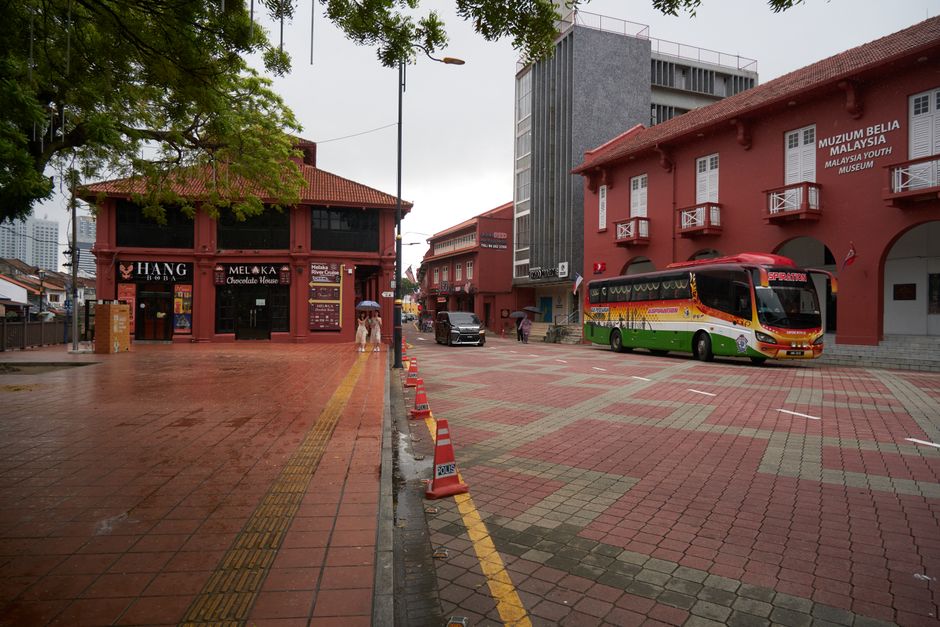
The main historical area around Jonker Street, Dutch Square, the river, and the old shophouses can be explored mostly on foot. You don't need to rent a car unless you're planning to visit places outside the city center.

What I like most is that Malacca feels different depending on when you walk around. Morning is quieter and better for photos. The afternoon is hot and honestly a bit tiring. Night is when the river and Jonker area feel more alive, especially on weekends.

For budget travelers, Malacca gives you a nice mix of history, food, cafes, night markets, and short walks without needing expensive tours.

Best Time to Visit Malacca on a Budget

For a weekend getaway, the best time to visit Malacca is usually outside public holidays and school holidays. Regular weekends are already busy enough, especially around Jonker Street.

If you can, go from Saturday morning to Sunday evening. That's the classic short trip. But if your schedule is flexible, Friday to Sunday is better because you get one quieter evening before the weekend crowd fully arrives.

Weather-wise

Malacca is hot most of the year. Bring a small umbrella or cap because the afternoon sun can be annoying, especially around Dutch Square where there isn't much shade.

Rain can happen too, usually in short bursts. I wouldn't cancel a trip because of rain, but I would pack light and wear shoes that can handle wet pavements.

Best budget timing

Try to book accommodation at least one to two weeks earlier. Last-minute rooms near Jonker can get pricey, especially on Saturday night.

How to Get to Malacca Cheaply

From Kuala Lumpur

The cheapest and easiest option is usually the bus.

Most buses leave from Terminal Bersepadu Selatan, better known as TBS, and arrive at Melaka Sentral. The journey normally takes around 2.5 to 3 hours, depending on traffic. Weekend traffic can be slow, so don't plan anything too tight right after arrival.

A budget-friendly plan:

  • Take an early morning bus from KL
  • Arrive before lunch
  • Take Grab or a local bus from Melaka Sentral to your hotel
  • Start exploring after check-in or leave your bags first

The annoying part is that Melaka Sentral is not walking distance from Jonker Street. You'll still need transport into town. Grab is usually the easiest, especially if you're traveling with a friend and splitting the cost.

By car

Driving can be worth it if you're traveling in a group. You can split fuel and toll costs, and it's easier if your hotel has parking.

But parking near Jonker Street can be irritating on weekends. Some hotels charge for parking, and some cheaper stays don't have dedicated parking at all. Always check before booking.

By train

This is possible, but I don't usually recommend it for first-time budget travelers unless you enjoy train travel.

There is no direct train into Malacca city center. The nearest KTM station is Tampin/Pulau Sebang, then you still need to continue by bus, taxi, or e-hailing to Malacca town. It can work, but for a simple weekend trip, bus is usually easier.

Where to Stay Without Overspending

For a short budget trip, location matters more than room size.

If you stay too far from the old town, you may save RM30 on the room but spend extra on transport and waste time moving around. For a weekend, I would rather stay simple but central.

Best areas to stay

Near Jonker Street

This is the most convenient area if you want to walk to food, cafes, night market, and major attractions.

It can be noisy at night, so check reviews carefully. If you sleep early, don't book directly above a busy cafe or street.

Around the river

This area is nice if you want a calmer stay but still want to walk around. Some guesthouses and boutique hotels along or near the river are good value if booked early.

Near Mahkota Parade or Hatten area

This works if you prefer malls, easier parking, and modern hotels. It's still close to the heritage area, but you may take short Grab rides or walk 15–25 minutes depending on where you're staying.

Budget expectation for accommodation

For a simple weekend stay:

  • Hostel bed: around RM30–RM60 per night
  • Basic guesthouse or budget hotel: around RM80–RM180 per night
  • Boutique hotel: around RM180–RM350 per night

Prices move a lot during holidays, so treat this as a rough guide, not a fixed rule.

One thing most tourists don't realize: some hotels may charge local fees or heritage-related charges separately. It's not usually huge, but don't be surprised if the final amount at check-in is slightly different from what you saw online.

A Simple 2-Day Budget Itinerary for Malacca

Day 1: Arrival, old town, river walk, Jonker night market

Arrive before lunch if possible. After dropping your bags, head toward the old town.

Start with the classic spots:

  • Dutch Square
  • Christ Church
  • The Stadthuys area
  • A Famosa
  • St Paul's Hill
  • Jonker Street

You don't need to spend much here. Most of the fun is walking around, taking photos, and slowly noticing the old buildings.

Honestly, St Paul's Hill is worth the short climb, but don't do it at 2 pm if the sun is strong. Go later in the afternoon if you can.

For the evening, walk along the Melaka River. The riverside lights make the walk feel nicer at night, and it's free. If you're keeping costs low, skip the river cruise and just walk. You'll still enjoy the vibe.

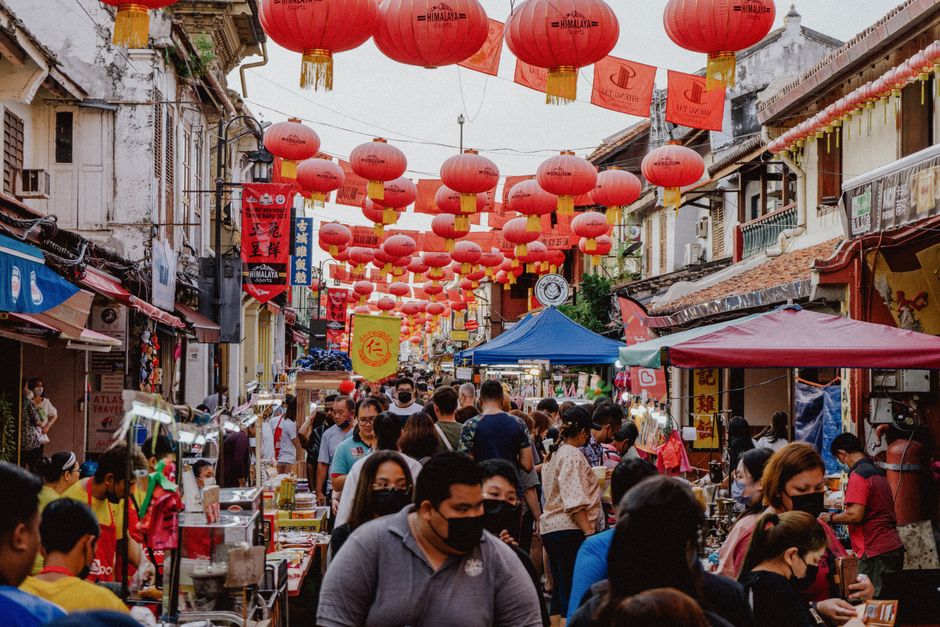
If you're there on Friday, Saturday, or Sunday night, Jonker Street Night Market is the obvious stop. It gets crowded, but that's part of the experience. Go earlier if you hate squeezing through crowds.

Day 2: Local breakfast, museums or cafes, slow lunch, return home

Start early. Malacca is much nicer before the tour groups fully arrive.

Have breakfast somewhere local, then choose one or two things instead of rushing everywhere.

Good low-cost options:

  • Walk around Kampung Morten
  • Visit a small museum
  • Explore side lanes near Jonker
  • Sit at a kopitiam and take a slow breakfast
  • Check out local shops selling snacks and souvenirs

Don't overpack your second day. If your bus home is in the evening, leave the city center earlier than you think. Traffic into Melaka Sentral can get slow during peak weekend hours.

What to Eat in Malacca on a Budget

Food is one of the best reasons to visit Malacca. The trick is not to eat only at the places with the longest tourist queues.

Some famous spots are famous for a reason, but locals don't stand in two-hour lines every weekend for every meal. Sometimes the best budget meals are the simple ones.

Local food to try

Chicken rice balls

Touristy? Yes. Still worth trying once? Also yes.

If the queue is too long, don't force it. Regular chicken rice in Malacca can be good too, and you won't lose half your afternoon waiting.

Nyonya laksa

Rich, spicy, and filling. This is one of my favorite things to eat in Malacca because one bowl can count as a proper meal.

Cendol

Great in the afternoon heat. Look for gula Melaka flavor that's deep and smoky, not just sweet.

Satay celup

Fun if you're traveling with friends. It can be messy, and not everyone loves it, but it's very Malacca.

Mee kahwin and local kopitiam breakfast

This is the kind of thing tourists sometimes miss. Simple noodles, toast, eggs, kopi, and local breakfast plates are often cheaper and more satisfying than trendy cafe brunch.

Budget food tip

Mix your meals.

Do one famous food stop, one kopitiam meal, one night market snack session, and maybe one nicer cafe if you really want it. That's more balanced than spending every meal at tourist spots.

A realistic food budget can be around RM50–RM100 per person for a weekend if you eat simply. More if you do cafes, seafood, or multiple dessert stops.

Hidden Gems and Lesser-Known Things to Do

I won't pretend Malacca has many truly secret places. It's a popular city. But there are quieter corners if you move slightly away from the busiest stretch.

Kampung Morten

This traditional Malay village is near the river and gives you a different side of Malacca. It's not far from the tourist center, but it feels calmer. Go respectfully, don't point your camera into people's homes, and keep your voice down.

Side lanes around Jonker

Don't just walk the main Jonker stretch. Take the smaller streets nearby. You'll find old houses, tiny shops, murals, temples, and cafes that don't feel as crowded.

Early morning river walk

Most people walk by the river at night, which is nice. But early morning has its own charm. It's quieter, cooler, and better if you like taking photos without people constantly walking into your shot.

Local markets and kopitiams

Instead of only chasing viral food, look for where older locals are having breakfast. That's usually a good sign. The food may not look fancy, but it often feels more real.

Common Tourist Mistakes to Avoid

Trying to do too much

Malacca is small, but the heat makes everything feel slower. Don't build an itinerary like you're racing through a checklist.

Pick a few key places and leave room to wander.

Booking far from the center just to save a little

This can backfire. If you spend more on Grab rides, the cheaper hotel isn't really cheaper anymore.

Visiting Jonker only at peak crowd time

Jonker at night is fun, but packed. Walk around during the day too. You'll notice more details in the buildings and shops.

Forgetting cash

Many places accept e-wallets or cards, but small stalls may still prefer cash. Carry some small notes.

Wearing uncomfortable shoes

The old town is made for walking, but pavements can be uneven. Wear comfortable shoes or sandals. This is not the trip for testing new footwear.

Safety Tips and Local Customs

Malacca is generally easy for tourists, but basic common sense still matters.

Keep your bag close in crowded areas, especially at the night market. Don't leave valuables on cafe tables while taking photos. If you're driving, don't leave bags visible in the car.

Dress is casual, but if you're visiting mosques, temples, or religious places, wear something respectful. Shoulders and knees covered is a safe rule. You don't need to overdress, just don't walk in like you're going to the beach.

Also, be mindful in residential areas like Kampung Morten. People live there. Walk quietly, ask before taking close-up photos of people, and don't treat private homes like museum displays.

Realistic Budget for a Weekend in Malacca

Here's a rough per-person budget from Kuala Lumpur, assuming two people sharing a room:

Budget traveler

  • Bus: RM30–RM40 return
  • Accommodation: RM50–RM100 per person
  • Food: RM50–RM80
  • Local transport: RM20–RM40
  • Attractions/snacks: RM30–RM50

Estimated total: RM180–RM310

Comfortable budget traveler

  • Bus or shared car costs: RM40–RM80
  • Accommodation: RM100–RM180 per person
  • Food and cafes: RM100–RM160
  • Local transport: RM40–RM70
  • Attractions/souvenirs: RM50–RM100

Estimated total: RM330–RM590

You can do Malacca cheaply, but the budget depends heavily on your room choice and how much cafe-hopping you do.

What to Pack for a Malacca Weekend

Keep it light. You don't need a big suitcase.

Bring:

  • Comfortable walking shoes
  • Small umbrella
  • Refillable water bottle
  • Sunscreen
  • Power bank
  • Small amount of cash
  • Light clothes
  • A tote bag for snacks or souvenirs
  • Basic medicine if you get headaches from heat

Surprisingly, the umbrella is useful for both sun and rain. I always regret it when I don't bring one.

Final Thoughts: Keep the Trip Simple

The best way to enjoy Malacca on a budget is to slow down.

Don't turn the weekend into a mission to eat every famous dish and visit every attraction. Pick a central place to stay, walk as much as you can, eat a mix of local food and simple snacks, and avoid peak holiday weekends if possible.

That's really the secret behind how to plan a budget-friendly weekend getaway to Malacca. It's not about being cheap every second. It's about spending on the things that actually improve the trip and skipping the things that only drain your time, energy, and wallet.

Malacca is at its best when you leave space for small moments: a quiet morning coffee, a random side street, a bowl of laksa when you're sweaty and tired, or a slow walk by the river after dinner.

Plan enough to avoid stress. But don't plan so much that you forget to enjoy the place.

The Best Family-Friendly Habitats and Activities in Legoland Malaysia: A Practical Parent-Friendly Guide

LEGOLAND Malaysia is one of those places that sounds easy on paper: buy tickets, bring the kids, enjoy the rides, go home tired but happy.

In real life, it’s a bit more strategic than that.

The park is big enough that you can easily waste time walking back and forth, especially if you’re visiting with small children, grandparents, or that one kid who suddenly needs the toilet right after everyone has queued for a ride. Still, when you plan it well, LEGOLAND Malaysia is genuinely one of the easiest theme parks in Malaysia for families.

This guide to The Best Family-Friendly Habitats and Activities in Legoland Malaysia is written for normal travelers — parents, tourists, first-timers, and anyone who doesn’t want to spend the whole day confused, sweaty, and overpaying for things they didn’t need.

Why LEGOLAND Malaysia Works So Well for Families

What I liked most was that LEGOLAND Malaysia doesn’t feel too intimidating. Some theme parks are built around huge thrill rides, loud music, and long walks between attractions. LEGOLAND feels more manageable, especially for families with younger kids.

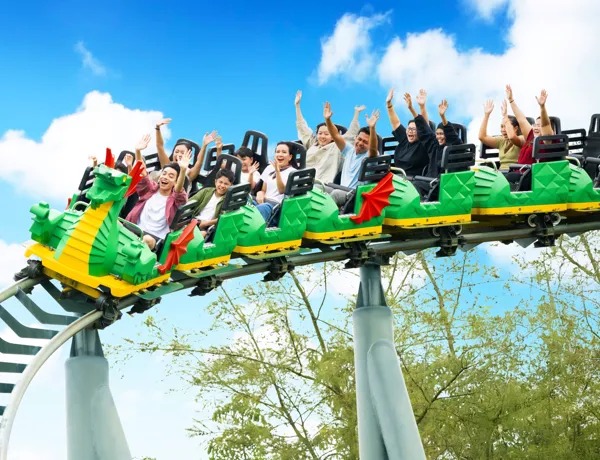
The rides are mostly kid-friendly, the themes are bright and easy to understand, and there are enough slower attractions for children who don’t love scary rides.

Honestly, the best age range is probably around 3 to 12 years old. Toddlers can enjoy some areas too, but they may not be tall enough for every ride. Teenagers who want big roller coasters might find it a bit soft, unless they’re LEGO fans or coming with younger siblings.

One thing most tourists don’t realize: LEGOLAND Malaysia is not just one park. You’ve got the Theme Park, Water Park, SEA LIFE Aquarium, and the LEGOLAND Hotel area. Trying to do everything properly in one day can feel rushed.

Where Is LEGOLAND Malaysia?

LEGOLAND Malaysia Resort is in Iskandar Puteri, Johor, not far from Johor Bahru. It’s also popular with families coming from Singapore because it’s close enough for a day trip, although border traffic can make the journey longer than expected.

If you’re staying in Johor Bahru city, it’s usually a fairly easy drive. If you’re coming from Kuala Lumpur, it’s more of a proper road trip, so I’d suggest staying overnight nearby instead of forcing it into one exhausting day.

How to Get to LEGOLAND Malaysia

By Car

Driving is the easiest option if you’re already in Malaysia. You can use Google Maps or Waze and head toward LEGOLAND Malaysia Resort in Iskandar Puteri.

Parking is available, but try to arrive early. On weekends and school holidays, the car park gets busier, and walking from a far parking spot with tired children later in the day is not fun.

A simple tip: take a photo of your parking zone before entering the park. You may think you’ll remember it. You probably won’t after six hours of rides, snacks, and sun.

By Grab or Taxi

Grab is convenient if you’re staying around Johor Bahru. Getting there is usually easy. Getting back can take a little longer during closing time because many families leave at once.

If you’re using Grab, book before everyone starts flooding out of the park. Don’t wait until your kids are already melting down near the entrance.

From Singapore

Many families visit LEGOLAND Malaysia from Singapore by private transfer, coach, or cross-border taxi. Private transfers are the most comfortable option for families because you don’t have to keep dragging bags and children through multiple transport changes.

The cheaper bus route can work, but it’s less relaxing. You may need to get on and off during immigration checks, and with young kids, strollers, and bags, that can feel like a mini workout.

If you’re doing a day trip from Singapore, leave very early. Border traffic is the annoying part, especially on weekends, public holidays, and school breaks.

Best Time to Visit LEGOLAND Malaysia

The best time to visit is on a weekday outside Malaysian and Singapore school holidays. That’s when the park feels much more relaxed.

If you can only go on the weekend, arrive before opening time. The first two hours are valuable. You can usually get more done before the heat builds up and queues get longer.

Best Months to Visit

Malaysia is hot year-round, so don’t expect cool weather. That said, avoid very rainy periods if your main plan includes the Water Park. Afternoon rain can happen anytime, so it helps to start early.

For comfort, I’d plan the outdoor rides in the morning and save indoor attractions like SEA LIFE for the hottest part of the day.

How Much Time Do You Need?

For just the Theme Park, one full day is enough if you arrive early and don’t try to do every single thing.

For Theme Park plus SEA LIFE, one long day can work.

For Theme Park, Water Park, and SEA LIFE, I’d recommend two days. It’s much more enjoyable, especially with younger children. Trying to squeeze all three into one day sounds efficient, but in reality, you’ll spend half the time changing clothes, walking between areas, and negotiating snack breaks.

My Honest Suggested Plan

If you have one day:

  • Morning: Theme Park rides
  • Lunch: Inside or nearby
  • Afternoon: SEA LIFE or slower indoor activities
  • Late afternoon: Revisit favorite rides or shop

If you have two days:

  • Day 1: Theme Park and SEA LIFE
  • Day 2: Water Park and hotel/play areas

This way, nobody feels rushed.

The Best Family-Friendly Habitats and Activities in LEGOLAND Malaysia

The target keyword may sound a little unusual, but it actually fits the place quite well. LEGOLAND Malaysia has family-friendly “habitats” in the sense of different zones and themed spaces where kids can play, explore, build, splash, and learn.

Here are the areas families usually enjoy most.

SEA LIFE Malaysia: Best Indoor Break for Kids

SEA LIFE is one of the best places to cool down during the day. After a few hours outside, walking into an air-conditioned aquarium feels amazing.

Kids usually love the tanks, tunnels, and close-up sea creatures. Parents love that it’s calm, shaded, and slower paced.

It’s also a good option if it rains. Instead of standing around waiting for the weather to clear, you can head indoors and still feel like you’re doing something worthwhile.

Best For

  • Toddlers
  • Younger kids
  • Parents needing a break from the heat
  • Rainy afternoons
  • Families who like marine animals

Small Tip

Don’t rush SEA LIFE. It’s not huge, but kids enjoy it more when they’re allowed to stop and stare. Some children will spend five full minutes watching one fish. Let them. That’s kind of the point.

LEGO Kingdoms: Fun for Kids Who Like Castles

LEGO Kingdoms is usually a hit with kids who like knights, castles, dragons, and pretend battles. It has that playful medieval feeling without being too intense.

Some rides here may have height restrictions, so check before promising anything. That’s a classic parent mistake. Never point at a ride and say, “We’ll do that next!” until you’ve checked the rules.

Best For

  • Kids who like fantasy themes
  • Families wanting gentle adventure
  • Photo stops
  • A mix of rides and walking around

Miniland: Surprisingly Fun for Adults Too

Miniland is one of the most underrated parts of LEGOLAND Malaysia. At first, kids may think it’s just LEGO buildings. But once you slow down, it becomes pretty fun.

You’ll see famous landmarks and city scenes built from LEGO bricks. Adults often enjoy this area more than expected because the details are impressive.

Honestly, this is also a nice place for a slower walk when everyone needs a break from rides.

Best For

  • Family photos
  • LEGO fans
  • Grandparents
  • Slower sightseeing inside the park
  • Kids who love tiny details

LEGO City: Great for Younger Children

LEGO City is one of the most family-friendly zones because it lets kids pretend to be grown-ups in a fun way. Driving-style attractions are usually popular here.

Children love anything where they feel like they’re in control — steering, pushing buttons, pretending to drive, or following instructions.

The funny part is watching very small kids take driving extremely seriously. Some of them look more focused than adults on a highway.

Best For

  • Preschoolers
  • Primary school kids
  • First-time theme park visitors
  • Children who prefer interactive rides over scary ones

LEGOLAND Water Park: Best for Hot Days

Malaysia is hot. LEGOLAND Water Park makes a lot of sense, especially if you’re visiting with kids who love splashing around.

The Water Park is better if you treat it as a half-day activity, not a quick add-on. Changing clothes, renting lockers, applying sunscreen, and drying off all take time.

Bring proper swimwear. Also, bring a waterproof phone pouch if you want photos without worrying every three seconds.

Best For

  • Hot afternoons
  • Active kids
  • Families staying overnight
  • Children who love water play
  • Parents who don’t mind getting wet

What to Pack for the Water Park

  • Swimwear
  • Towel
  • Dry clothes
  • Waterproof bag
  • Sunscreen
  • Slippers or sandals
  • Plastic bag for wet clothes
  • Rash guard for kids

A rash guard is honestly one of the best things to bring. It saves you from reapplying sunscreen every few minutes.

Best Activities for Toddlers and Younger Kids

LEGOLAND Malaysia is easier with toddlers than many other theme parks, but you still need to pace the day.

Good options for younger kids include:

  • Gentle rides
  • LEGO play areas
  • SEA LIFE Aquarium
  • Slow walks through Miniland
  • Water play areas
  • Short shows or indoor breaks

Don’t overplan with toddlers. Pick a few key things and let the day move naturally. Sometimes, the thing they enjoy most is not the big attraction you paid for, but a simple LEGO building area where they can sit and play.

Best Activities for Older Kids

Older kids may enjoy more active rides, building challenges, water slides, and interactive zones. If they’re LEGO fans, give them time to explore the shops too.

A good strategy is to let older kids choose a few “priority rides” at the start of the day. That way, they feel involved instead of being dragged around.

Food at LEGOLAND Malaysia

Food inside theme parks is usually more expensive than outside, and LEGOLAND Malaysia is no different. It’s convenient, but don’t expect local hawker prices.

You’ll find family-friendly food options inside the park, usually things like burgers, fried chicken, rice dishes, snacks, drinks, and kid-friendly meals. The food is fine, but the prices can add up quickly if everyone wants drinks, snacks, and dessert.

What Locals Actually Eat Nearby

If you’re staying in Johor Bahru or around Iskandar Puteri, try eating outside the park before or after your visit. Johor has great local food.

Look for:

  • Nasi lemak
  • Roti canai
  • Mee rebus
  • Laksa Johor
  • Chicken rice
  • Nasi campur
  • Banana leaf rice
  • Satay
  • Kopitiam breakfast

For families, nasi campur is practical because everyone can choose what they like. Rice, chicken, egg, vegetables, curry, tofu — easy.

If your kids are picky, chicken rice is usually a safe bet.

Budget Expectations

LEGOLAND Malaysia is not the cheapest family day out, especially if you’re buying combo tickets, eating inside, and visiting during peak season.

Your budget depends on how many parks you visit and whether you stay overnight.

Rough Budget Guide

For a family day trip, expect to spend on:

  • Tickets
  • Transport or parking
  • Food and drinks
  • Locker rental if using the Water Park
  • Souvenirs
  • Extra snacks
  • Hotel if staying overnight

Souvenirs are where budgets quietly disappear. The LEGO shops are tempting, and kids know exactly how to look at you with those hopeful eyes.

Set a souvenir budget before entering the shop. Seriously.

What to Pack for LEGOLAND Malaysia

Here’s what I’d bring for a family visit:

  • Hats or caps
  • Sunscreen
  • Refillable water bottles
  • Wet wipes
  • Tissues
  • Small snacks for kids
  • Portable fan
  • Power bank
  • Stroller for younger kids
  • Extra clothes
  • Rain poncho
  • Waterproof pouch
  • Comfortable shoes

Don’t wear new shoes. You’ll walk a lot, and blisters at a theme park are miserable.

Dress Code and Local Customs

LEGOLAND Malaysia is casual. T-shirts, shorts, dresses, leggings, and comfortable clothes are all fine.

For the Water Park, wear proper swimwear. Outside the water area, it’s better to cover up again with a T-shirt, dress, or towel wrap when walking around shared spaces.

Malaysia is generally family-friendly and relaxed, but modest casual clothing is always a safe choice, especially if you’re eating outside the park or visiting malls nearby.

Also, queue politely. Don’t cut lines. Malaysians are usually calm about these things, but nobody likes queue jumpers, especially tired parents waiting with kids.

Lesser-Known Tips for Visiting LEGOLAND Malaysia

Start with Outdoor Rides First

Do the outdoor rides early before the heat gets intense. Save SEA LIFE, shops, and indoor areas for later.

Check Ride Height Rules Early

Measure your child before the trip and check the ride rules. It avoids disappointment and awkward moments at the front of the queue.

Bring a Stroller

Even if your child “doesn’t need one anymore,” they might need one by 4 PM. LEGOLAND involves a lot of walking.

Don’t Skip Miniland

Many families rush past it. Don’t. It’s one of the most unique parts of the park.

Plan Around Nap Time

If you have toddlers, don’t fight nap time. Use the stroller, SEA LIFE, or a quiet lunch break to reset the day.

Common Mistakes to Avoid

Trying to Do Everything in One Day

You can do a lot in one day, but doing everything properly is hard. Choose your priorities.

Arriving Late

Late arrival means longer queues, stronger sun, and less patience from everyone.

Forgetting Sunscreen

The sun in Johor can be brutal. Apply sunscreen before entering, not after everyone is already sweating.

Not Booking Tickets Early

Buying tickets online in advance can save time and sometimes money. At the very least, it avoids standing around at the entrance.

Underestimating Border Traffic from Singapore

If you’re coming from Singapore, border delays can change your whole plan. Leave early and don’t schedule anything too tight after the park.

Is LEGOLAND Malaysia Worth It?

Yes, especially for families with kids who are into LEGO, water play, gentle rides, and interactive attractions.

It’s probably not the best choice if your group is mostly adults looking for extreme rides. But for children, especially younger ones, it’s a fun and manageable park.

What makes it work is the mix: rides, LEGO building, aquarium time, water play, and hotel theming if you stay overnight. It feels designed for families, not just thrill seekers.

Final Thoughts

The Best Family-Friendly Habitats and Activities in Legoland Malaysia really come down to planning your day around your family’s energy.

Don’t treat it like a checklist. Start early, do the popular outdoor attractions first, cool down at SEA LIFE, and leave space for snacks, toilet stops, and random LEGO play.

That’s the part kids often remember anyway — not the perfectly planned itinerary, but the moment they built something weird out of bricks, splashed around in the Water Park, or proudly “drove” a LEGO car like they owned the road.

Go with a flexible plan, comfortable shoes, and realistic expectations. You’ll enjoy the day a lot more.

The Excellent Cafes in Desa Sri Hartamas: A Café Hopper's Guide

Desa Sri Hartamas is not the first place most tourists think of when they plan a Kuala Lumpur café day.

Most people go straight to Bukit Bintang, Chinatown, Bangsar, or maybe KLCC. Fair enough. Those areas are easier to explain to first-time visitors.

But if you like calm brunch spots, good coffee, pastries, and a more local “weekend neighbourhood” feeling, Desa Sri Hartamas is worth a detour.

This area sits close to Mont Kiara and Plaza Damas, so the café crowd is a mix of residents, office people, expats, students, and weekend brunch hunters. It’s not exactly cheap by old-school KL food standards, but it’s comfortable, walkable in small pockets, and good for a slow half-day.

Here’s my practical guide to The Excellent Cafes in Desa Sri Hartamas: A Café Hopper's Guide — where to go, what to expect, how to get around, and what mistakes to avoid.

First, What Is Desa Sri Hartamas Like?

Desa Sri Hartamas is a residential and commercial neighbourhood in Kuala Lumpur, near Mont Kiara, Sri Hartamas, Plaza Damas, and Hartamas Shopping Centre.

It’s not a “tourist attraction” area in the classic sense. You won’t come here for temples, towers, or souvenir shops.

You come here for food.

The area has cafés, Japanese restaurants, Korean spots, brunch places, bakeries, bars, and casual local eateries. What I liked most was that it feels more lived-in than touristy. People are actually having meetings, walking their dogs, buying bread, meeting friends after yoga, or grabbing coffee before errands.

That makes it a nice break from the busier parts of KL.

How to Get to Desa Sri Hartamas

By Grab or Taxi

Honestly, this is the easiest way.

If you’re staying in Bukit Bintang, KLCC, Chinatown, or Bangsar, just take Grab. It’s usually the most convenient option, especially if you’re café hopping and don’t want to figure out bus timing.

From central KL, the ride can take around 15 to 30 minutes depending on traffic. During peak hours, it can stretch longer because KL traffic enjoys testing everyone’s patience.

By Public Transport

Public transport is possible, but not always smooth.

You can use MRT and feeder buses depending on where you’re coming from. The Semantan MRT area is often used as a connection point, with feeder buses serving parts of Sri Hartamas and Desa Sri Hartamas.

The annoying part is that cafés are not always right next to a train station. You may still need a short ride-hailing trip or some walking after the bus.

If you’re a tourist with limited time, I’d use Grab unless you specifically enjoy figuring out local transit.

By Car

Driving works well if you’re comfortable with KL roads.

Parking is available around Plaza Damas, Hartamas Shopping Centre, and some shoplot areas, but weekends can be busy. Don’t expect empty parking right in front of your chosen café at brunch hour.

If you’re driving, go earlier in the morning or after the lunch crowd.

Best Time to Visit for Café Hopping

The best time is late morning on weekdays.

You get the café vibe without the worst weekend crowd. Around 10am to 12pm is a sweet spot if you want brunch and coffee.

Weekends are livelier, but also more crowded. Popular cafés can get noisy, and parking becomes more annoying.

For photography, mornings are better because some cafés get nice natural light. For a quieter laptop session, avoid peak brunch time and go around 2pm to 4pm, but check kitchen hours first because some places slow down after lunch.

How Much Time Do You Need?

For one café, give yourself 1 to 1.5 hours.

For proper café hopping, half a day is enough. A relaxed plan could look like this:

  • Morning coffee and pastry
  • Brunch at a bigger café
  • Walk around Plaza Damas or Hartamas Shopping Centre
  • Dessert or second coffee
  • Early dinner nearby if you still have space

I wouldn’t overpack it. Three cafés in one day is already plenty unless you’re sharing food with friends.

Best Cafes in Desa Sri Hartamas and Nearby

1. Orito Hartamas — For Pastries and Dessert Lovers

Orito is a solid stop if you like pastries, choux, cakes, and pretty desserts that still feel properly made.

It’s located around Plaza Damas, which makes it convenient if you’re walking around Hartamas Shopping Centre. This is the kind of place I’d visit for a mid-morning coffee and something sweet rather than a heavy brunch.

Order something pastry-focused here. Don’t overthink it.

Good for:

  • Choux pastries
  • Doughnuts
  • Cakes
  • Coffee and dessert
  • A lighter café stop

One thing most tourists don’t realize: dessert cafés in KL can be very serious. It’s not just “cake with coffee.” Some places really put effort into texture, filling, and presentation.

2. ADOUGH Atelier — For Sourdough and Bakery People

ADOUGH Atelier is one for the bread people.

If you’re the kind of traveler who notices good croissants, sourdough crust, and proper bakery smells, you’ll probably enjoy this place. It focuses heavily on sourdough, which gives it a more specific identity than the usual brunch café.

This is a good morning stop. Get coffee, try a pastry, and maybe take away bread if you’re staying somewhere with a kitchen.

Good for:

  • Sourdough
  • Pastries
  • Simple coffee breaks
  • Takeaway bread
  • Slow mornings

Small tip: bakery-style cafés are usually better earlier in the day. By late afternoon, the best items may be gone.

3. RaRa Coffee Hartamas — For Brunch With a Polished Feel

RaRa Coffee is a good choice if you want a more complete brunch meal rather than just coffee and cake.

Expect rice bowls, sandwiches, Western-style brunch items, and proper coffee. It has that modern KL café feel: bright, comfortable, slightly stylish, and good for catching up with friends.

This is the kind of café where you can sit longer without feeling rushed.

Good for:

  • Brunch
  • Coffee
  • Rice bowls
  • Sandwiches
  • Casual dates or catch-ups

Budget-wise, this is not kopitiam pricing. Expect to spend more like modern café prices, especially if you order a main and drink.

4. Common Man Coffee Roasters — For Proper Coffee and Big Brunch Plates

Common Man Coffee Roasters is a familiar name for café people in KL and Singapore.

The Desa Sri Hartamas outlet is a good option if you want a reliable brunch place with proper coffee. It’s especially useful if you’re traveling with someone who wants a big breakfast while you just want a flat white.

The space tends to feel more polished and spacious than tiny neighbourhood cafés, which can be nice when you’re tired from walking around KL.

Good for:

  • Coffee
  • Full breakfast plates
  • Pancakes
  • Brunch with friends
  • A comfortable sit-down meal

The downside? It can be pricier than smaller local spots. But if you want consistency, it’s a safe choice.

5. Rubberduck — For a Casual Plaza Damas Brunch Stop

Rubberduck is one of those cafés that fits well into a lazy Hartamas day.

It’s around Plaza Damas, so it’s easy to combine with Orito or nearby restaurants. The vibe is casual, and it works for brunch, coffee, or a simple meal when you don’t want anything too complicated.

Good for:

  • Casual brunch
  • Coffee breaks
  • Groups
  • Plaza Damas café hopping

This area is also good if the weather suddenly turns bad. KL rain can arrive aggressively, so being near a mall or covered walkway is underrated.

6. BreadFruits Café — For a Classic Hartamas Brunch Option

BreadFruits has been around for a while and is often associated with brunch and honey-focused dishes.

It’s a good option if you want something more established instead of chasing the newest café opening. Sometimes that’s nice. New cafés can be exciting, but older neighbourhood favourites usually survive for a reason.

Good for:

  • Brunch
  • Honey-inspired dishes
  • Casual meals
  • A more familiar café feel

If you’re not sure where to start, BreadFruits is a safe “proper meal” option before moving on to coffee and dessert elsewhere.

What Locals Actually Eat Around Hartamas

Not everyone in Desa Sri Hartamas is eating sourdough and sipping oat lattes every day.

Locals and residents also go for Japanese food, Korean food, mixed rice, noodles, mamak-style meals, kopitiam breakfasts, and casual dinner spots nearby.

If you want to balance your café day, do this:

Have coffee and pastry in the morning, then eat something local or Asian for lunch or dinner.

Nearby, you’ll find plenty of Japanese restaurants, casual Asian eateries, and neighbourhood food places. Hartamas has long had a strong Japanese dining scene, partly because of the expat and residential crowd.

So yes, enjoy the cafés. But don’t only eat brunch food while you’re here.

Hidden Gems and Lesser-Known Tips

Walk Around Plaza Damas Slowly

Plaza Damas can feel a bit confusing at first. It’s not a shiny mall layout where everything is obvious.

But that’s part of the charm.

Walk slowly, check the corners, and you’ll find small restaurants, dessert places, and casual shops that don’t always show up in tourist guides.

Don’t Ignore Nearby Mont Kiara

Desa Sri Hartamas and Mont Kiara are close enough that you can combine them in one café day.

Kopenhagen Coffee in Mont Kiara, for example, is nearby and works well if you want to extend your coffee route. It’s technically not Desa Sri Hartamas, but café hoppers won’t care much when the coffee is good and the ride is short.

Go Earlier Than You Think

KL cafés can get crowded faster than expected, especially on weekends.

If there’s one place you really want to try, make it your first stop. Don’t leave it for 2pm and then act surprised when the pastry you wanted is gone.

Common Tourist Mistakes to Avoid

Mistake 1: Thinking Everything Is Walkable

Some parts are walkable, especially around Plaza Damas and Hartamas Shopping Centre.

But the wider Hartamas and Mont Kiara area is spread out. Sidewalks are not always perfect, and the weather can be hot.

Use Grab between clusters if needed. No shame.

Mistake 2: Going During Peak Brunch Without a Plan

Weekend brunch time can mean crowds, waiting, and limited parking.

If you hate waiting, go before 10am or after 2pm.

Mistake 3: Expecting Cheap Local Food Prices

Cafés here are generally modern KL café prices.

A coffee may cost around RM10 to RM18. A brunch main can easily be RM25 to RM45 or more depending on the place. Desserts and pastries add up quickly.

For a casual café-hopping half-day, budget around RM60 to RM120 per person if you’re having drinks, food, and dessert.

Mistake 4: Not Checking Opening Hours

Some cafés close earlier than expected. Some kitchens close before the café does.

Always check before going, especially if you’re planning a late afternoon visit.

Safety, Customs, and Dress Code

Desa Sri Hartamas is generally comfortable for travelers, but normal city awareness still applies.

Keep your bag close, don’t leave your phone on the table near the edge, and be careful when crossing roads. Malaysian drivers don’t always treat pedestrians like royalty.

Dress code is casual. Shorts, T-shirts, sundresses, jeans, and sneakers are all fine for cafés.

If you’re visiting religious sites elsewhere in KL on the same day, bring something more modest. But for Hartamas café hopping, casual clothing is totally okay.

What to Pack for a Café Hopping Day

You don’t need much, but a few things help:

  • Lightweight clothes
  • Comfortable shoes
  • Umbrella or small rain jacket
  • Power bank
  • Reusable water bottle
  • Small tote bag if you buy bread or pastries
  • Touch ’n Go card if using public transport or parking
  • A light layer if you get cold in air-conditioning

The umbrella matters more than people think. KL weather can go from sunny to heavy rain very quickly.

Final Thoughts

Desa Sri Hartamas is a good café-hopping area if you want a slower, more neighbourhood-style Kuala Lumpur experience.

It’s not the cheapest place to eat, and it’s not the easiest area to explore purely by public transport. But the cafés are comfortable, the food variety is strong, and the area feels more local than many tourist-heavy parts of KL.

For the best experience, come in the morning, choose two or three cafés, don’t rush, and leave space for proper food nearby.

That’s the best way to enjoy Hartamas.

Not as a checklist.

More like a slow coffee day with good snacks, better bread than expected, and maybe one extra pastry you didn’t plan to order.

A Journey Through Heritage: Exploring Kuala Kangsar and Lenggong

Some trips feel busy from the start. You rush from one attraction to another, take a few photos, eat something forgettable, and by the end of the day you’re not even sure what you actually saw.

This trip wasn’t like that.

A Journey Through Heritage: Exploring Kuala Kangsar and Lenggong is the kind of route that moves at a slower pace. Lenggong gives you quiet water, green hills, and that open countryside feeling. Kuala Kangsar, on the other hand, feels more royal and old-world, with palaces, bridges, mosque domes, and small-town food that people actually travel for.

Honestly, the contrast is what makes the journey interesting. You start with nature in Lenggong, then slowly move into the heritage side of Perak in Kuala Kangsar. It doesn’t feel forced. It feels like Perak showing two different sides of itself in one trip.

Why Visit Kuala Kangsar and Lenggong Together?

Kuala Kangsar and Lenggong are both in Perak, and they work really well as a short heritage-and-nature escape. You can do them as a long day trip from Ipoh, but I’d personally suggest staying one night if you don’t like rushing.

Lenggong is quieter and more spread out. It’s known for its ancient history and countryside scenery, but the atmosphere is relaxed. Kuala Kangsar feels more polished in a royal-town kind of way. You’ll see grand buildings, traditional Malay architecture, and some very photogenic corners.

One thing most tourists don’t realize is that this route isn’t about huge theme-park-style attractions. It’s more about mood, scenery, food, and small details. A rusty bridge. A golden dome catching sunlight. A bowl of laksa that looks unusual at first, then makes complete sense once you taste it.

How to Get There

The easiest way to explore both places is by car. Public transport exists, but it’s not very convenient if you want to visit Tasik Raban, Victoria Bridge, Bukit Chandan, and Masjid Ubudiah in one smooth route.

From Ipoh

Ipoh is probably the best base. From Ipoh, you can drive to Lenggong first, then loop down toward Kuala Kangsar. Depending on traffic and stops, expect roughly:

  • Ipoh to Lenggong: about 1 to 1.5 hours
  • Lenggong to Kuala Kangsar: about 45 minutes to 1 hour
  • Kuala Kangsar back to Ipoh: about 45 minutes

The roads are generally fine, but some stretches feel rural. Don’t expect cafés and petrol stations every five minutes once you’re around Lenggong. Fill up earlier, especially if you’re the type who gets nervous when the fuel bar drops.

Best Transport Option

Renting a car is the most practical choice. If you’re traveling with family or friends, it also makes the trip cheaper and more comfortable.

A private driver is another good option if you don’t want to drive, especially if you’re visiting from overseas. Just make sure they understand the route clearly because this isn’t the usual “Ipoh old town and cave temples” type of itinerary.

Best Time to Visit

Morning is best for Lenggong. The lake is calmer, the air feels cooler, and the light is softer for photos. By noon, it can get hot, and the glare on the water can be quite strong.

For Kuala Kangsar, late afternoon is lovely, especially around Bukit Chandan and Masjid Ubudiah. The golden domes look better when the sun isn’t directly overhead. If you enjoy photography, don’t rush this part.

I’d avoid heavy rain days if possible. Not because the trip becomes impossible, but because the outdoor stops lose some of their charm. Victoria Bridge especially feels better when you can walk around slowly without holding an umbrella and worrying about slippery ground.

Starting in Lenggong: A Boat Ride at Tasik Raban

Tasik Raban is a gentle way to begin the journey. It’s not loud or overdeveloped, and that’s part of the charm. When you get on the boat, the first thing you notice is how calm everything feels. The water stretches out quietly, with hills and greenery around it.

The boat ride isn’t about speed or thrills. It’s more of a slow glide across the lake, where you sit back, feel the breeze, and let your eyes wander. I liked that it didn’t feel too “touristy.” There’s a local, everyday quality to the place, like people have been coming here for picnics and weekend breaks long before travel blogs started talking about it.

Surprisingly, this is also a good stop if you’re traveling with older family members. There isn’t too much walking, and the lake setting feels peaceful without being boring.

Practical Tips for Tasik Raban

Bring sunglasses, a hat, and water. The sun can be stronger than you expect, especially when it reflects off the lake. If you’re planning to take photos, keep your phone or camera secure because boats and excited photo-taking are not always the safest combination.

Also, don’t arrive too late in the day expecting everything to run like a city attraction. Ask locally about boat availability, timing, and weather conditions. In smaller destinations, schedules can be a little flexible.

The Historical Vibe of Victoria Bridge

After the soft nature mood of Lenggong, Victoria Bridge brings a completely different feeling. This old railway bridge near Karai has that slightly weathered, historical vibe that looks great in photos.

The metal structure, the long track lines, and the view across the river all give it a dramatic look without needing much effort. You don’t need to be a serious photographer to get a good shot here. Just walk slowly, look for the lines of the bridge, and let the structure do the work.

What I liked most was the atmosphere. It doesn’t feel shiny or newly built. It feels like something that has seen a lot — trains, trade, weather, and time. That’s exactly why it’s interesting.

The annoying part is that popular photo spots can get busy if you arrive at the same time as other visitors. If you want cleaner photos, come earlier or later in the day. Midday light can be harsh, and the bridge looks better when shadows add a bit of depth.

Safety Note at Victoria Bridge

Be careful when walking around the bridge area. Don’t climb risky parts just for photos, and watch your step if the ground is wet. It’s a heritage structure, not a playground. Good photos are nice, but not worth an injury.

Lunch in Kuala Kangsar: Trying the Famous Laksa Sarang

By the time you reach Kuala Kangsar, you’ll probably be hungry. This is where Laksa Sarang comes in.

Now, regular laksa is already good, but Laksa Sarang has a fun twist. The word “sarang” means nest, and the name comes from the egg topping. Instead of a normal boiled egg or fried egg, the egg is fried into thin, crispy strands that curl together like a golden nest sitting on top of the laksa.

It looks playful, almost messy in the best way. The first time you see it, you might pause for a second because it doesn’t look like the usual bowl of laksa. Then the smell hits — tangy fish-based gravy, herbs, spice, and that warm fried egg aroma.

The flavor is bold but not fancy. You get the sourness from the laksa gravy, the savory depth of fish, the freshness of cucumber or herbs depending on the stall, and then the crispy egg adds texture. That egg nest softens slightly when it touches the gravy, but some parts stay crisp. Honestly, that contrast is what makes it addictive.

This is the kind of local food that makes sense after a road trip. It’s filling, flavorful, and not too expensive. Don’t wear white if you’re a messy eater. Laksa gravy has no mercy.

What Locals Actually Eat

Besides Laksa Sarang, look out for simple Malay dishes around Kuala Kangsar such as nasi campur, ikan pekasam, kuih, and local-style breakfast items if you arrive earlier. Locals don’t always eat at the prettiest places. Sometimes the best meal is at a basic shop with plastic chairs, quick service, and a steady stream of regular customers.

If a place is crowded with locals but not overly decorated for tourists, that’s usually a good sign.

Exploring the Royal Palace Area at Bukit Chandan

After lunch, head toward Bukit Chandan. This is where Kuala Kangsar’s royal character becomes more obvious. The area feels calmer and more formal, with royal buildings, old trees, and roads that curve gently uphill.

You may not be able to enter every royal building freely, so manage your expectations. This part of the trip is more about admiring the area, learning a little about Perak’s royal heritage, and enjoying the atmosphere.

The Royal Palace area gives Kuala Kangsar its identity. It reminds you that this isn’t just another small town with old buildings. It has a royal history that still shapes how the town looks and feels.

Take your time here. Don’t just jump out of the car, snap one photo, and leave. Walk where you’re allowed, look at the details, and notice how different this feels from the lake in Lenggong earlier in the day.

A Stop at Istana Kenangan

While exploring Bukit Chandan, make time for Istana Kenangan, one of Kuala Kangsar’s most distinctive landmarks. Unlike the grander royal residences, this wooden palace stands out because of its traditional Malay architecture and unique construction style.

Built without nails and featuring intricate patterns, the palace feels like a piece of living history. Its design reflects local craftsmanship and offers a glimpse into how royal residences once looked before modern building methods became common.

Even if you only spend a short time here, Istana Kenangan adds another layer to the heritage experience. It complements the royal atmosphere of Kuala Kangsar and helps visitors appreciate the cultural traditions that continue to shape the town’s identity.

A Peaceful Visit to Masjid Ubudiah

Masjid Ubudiah is easily one of the highlights of this journey.

Even if you’ve seen photos before, the mosque still has presence when you arrive. The golden domes catch the light beautifully, and the white walls make the whole building feel elegant without being too loud. The architecture has a grand, royal quality, but the atmosphere around it is still peaceful.

This is not just a quick photo stop. Masjid Ubudiah is one of those places where you naturally slow down. The domes, arches, and minarets all work together in a way that feels balanced. It’s the kind of building that makes you understand why Kuala Kangsar is known as a royal town.

For me, this was the moment where the trip tied together. Lenggong had the quiet water and ancient landscape. Victoria Bridge had the old railway mood. Laksa Sarang gave the trip flavor. But Masjid Ubudiah gave it that final sense of place.

Dress Code and Mosque Etiquette

Dress modestly when visiting. For women, bring a scarf just in case, and avoid sleeveless tops or short bottoms. Men should also avoid shorts if possible. If you’re not Muslim, you can still appreciate the mosque from permitted areas, but be respectful, especially during prayer times.

Keep your voice low, don’t block entrances for photos, and don’t treat the mosque like a backdrop only. It’s an active religious place.

Hidden Gems and Lesser-Known Tips

If you have extra time, don’t rush out of Kuala Kangsar too quickly. Drive around the older parts of town and look for traditional houses, small food stalls, and riverside views. Some of the best moments here are not marked by big signboards.

In Lenggong, consider pairing Tasik Raban with heritage or archaeological stops if you have more time. The area has a deep prehistoric background, and even if you’re not a museum person, it adds meaning to the landscape. You start to look at the hills and valleys differently when you realize people have lived around this region for a very, very long time.

Another tip: bring cash. Some smaller stalls or local operators may not be as card-friendly as places in bigger cities. E-wallets are common in Malaysia, but cash still saves you from awkward moments.

How Much Time Do You Need?

You can do this as a full day trip, but it will be a packed day. A comfortable version looks something like this:

  • Morning: Tasik Raban boat ride in Lenggong
  • Late morning or noon: Drive toward Kuala Kangsar
  • Early afternoon: Victoria Bridge
  • Lunch: Laksa Sarang
  • Late afternoon: Bukit Chandan, Istana Kenangan, and Masjid Ubudiah

If you want to add museums, longer food stops, or more photography time, stay overnight in Kuala Kangsar or Ipoh.

For most travelers, one full day is enough for the main itinerary. Two days is better if you like slow travel.

Realistic Budget Expectations

This route can be quite affordable, especially if you’re traveling in a group.

A rough budget per person:

  • Car rental or fuel sharing: RM30–RM100 depending on group size
  • Food and drinks: RM20–RM50
  • Boat ride: varies, so check locally
  • Small extras and parking: RM10–RM30
  • Overnight stay, if needed: RM80–RM200+ depending on comfort level

You don’t need a luxury budget for this trip. The best parts are simple: lake views, heritage buildings, local food, and slow wandering.

Common Mistakes to Avoid

The biggest mistake is trying to squeeze too much into the day. This route works best when you give each place a little breathing room.

Another mistake is visiting Masjid Ubudiah in clothing that isn’t suitable. It’s better to dress modestly from the start so you don’t feel uncomfortable later.

Don’t assume boat rides at Tasik Raban are always available exactly when you arrive. Ask ahead if the boat ride is the main reason you’re going.

Also, don’t skip food in Kuala Kangsar. Laksa Sarang is part of the experience, not just lunch. Plan your timing so you arrive hungry.

What to Pack

Keep it simple:

  • Comfortable walking shoes
  • Hat or cap
  • Sunglasses
  • Water bottle
  • Modest clothing for mosque visit
  • Small umbrella or rain jacket
  • Cash
  • Power bank
  • Phone grip or strap for boat photos

You don’t need heavy travel gear. Just prepare for heat, sun, short walks, and a bit of countryside unpredictability.

Final Thoughts

A Journey Through Heritage: Exploring Kuala Kangsar and Lenggong is not the kind of trip that tries too hard to impress you. That’s what I liked about it.

Lenggong gives you nature in a calm, unshowy way. Tasik Raban is peaceful, especially if you catch it in the morning. Victoria Bridge adds history and a slightly nostalgic photography stop. Kuala Kangsar brings in the royal side of Perak, with Bukit Chandan, Istana Kenangan, and the beautiful Masjid Ubudiah standing out as the main highlights.

And then there’s Laksa Sarang, which somehow makes the whole journey feel more local and memorable. That crispy egg nest on top of tangy laksa is the kind of detail you’ll probably mention when telling someone about the trip later.

If you’re looking for a practical, meaningful day trip in Perak that mixes nature, heritage, food, and photography, this route is worth your time. Just don’t rush it too much. The best parts reveal themselves slowly.

Disclaimer : All photographs and articles appearing on this website are taken from the website of the hotel and resort. Copyright is on the hotel's website and the resort. We are not responsible for the information posted. We only help to promote tourism in Malaysia and also indirectly promoting the hotels and resorts in Malaysia.


Explore By State

View all