title

welcome to malaysia
Showing posts with label Food. Show all posts

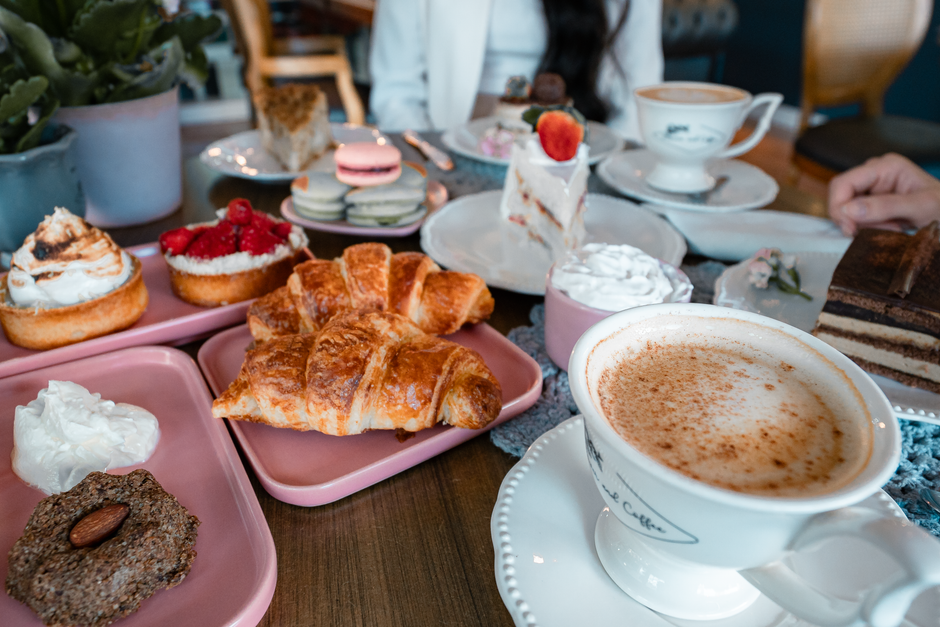
The Excellent Cafes in Desa Sri Hartamas: A Café Hopper's Guide

Desa Sri Hartamas is not the first place most tourists think of when they plan a Kuala Lumpur café day.

Most people go straight to Bukit Bintang, Chinatown, Bangsar, or maybe KLCC. Fair enough. Those areas are easier to explain to first-time visitors.

But if you like calm brunch spots, good coffee, pastries, and a more local “weekend neighbourhood” feeling, Desa Sri Hartamas is worth a detour.

This area sits close to Mont Kiara and Plaza Damas, so the café crowd is a mix of residents, office people, expats, students, and weekend brunch hunters. It’s not exactly cheap by old-school KL food standards, but it’s comfortable, walkable in small pockets, and good for a slow half-day.

Here’s my practical guide to The Excellent Cafes in Desa Sri Hartamas: A Café Hopper's Guide — where to go, what to expect, how to get around, and what mistakes to avoid.

First, What Is Desa Sri Hartamas Like?

Desa Sri Hartamas is a residential and commercial neighbourhood in Kuala Lumpur, near Mont Kiara, Sri Hartamas, Plaza Damas, and Hartamas Shopping Centre.

It’s not a “tourist attraction” area in the classic sense. You won’t come here for temples, towers, or souvenir shops.

You come here for food.

The area has cafés, Japanese restaurants, Korean spots, brunch places, bakeries, bars, and casual local eateries. What I liked most was that it feels more lived-in than touristy. People are actually having meetings, walking their dogs, buying bread, meeting friends after yoga, or grabbing coffee before errands.

That makes it a nice break from the busier parts of KL.

How to Get to Desa Sri Hartamas

By Grab or Taxi

Honestly, this is the easiest way.

If you’re staying in Bukit Bintang, KLCC, Chinatown, or Bangsar, just take Grab. It’s usually the most convenient option, especially if you’re café hopping and don’t want to figure out bus timing.

From central KL, the ride can take around 15 to 30 minutes depending on traffic. During peak hours, it can stretch longer because KL traffic enjoys testing everyone’s patience.

By Public Transport

Public transport is possible, but not always smooth.

You can use MRT and feeder buses depending on where you’re coming from. The Semantan MRT area is often used as a connection point, with feeder buses serving parts of Sri Hartamas and Desa Sri Hartamas.

The annoying part is that cafés are not always right next to a train station. You may still need a short ride-hailing trip or some walking after the bus.

If you’re a tourist with limited time, I’d use Grab unless you specifically enjoy figuring out local transit.

By Car

Driving works well if you’re comfortable with KL roads.

Parking is available around Plaza Damas, Hartamas Shopping Centre, and some shoplot areas, but weekends can be busy. Don’t expect empty parking right in front of your chosen café at brunch hour.

If you’re driving, go earlier in the morning or after the lunch crowd.

Best Time to Visit for Café Hopping

The best time is late morning on weekdays.

You get the café vibe without the worst weekend crowd. Around 10am to 12pm is a sweet spot if you want brunch and coffee.

Weekends are livelier, but also more crowded. Popular cafés can get noisy, and parking becomes more annoying.

For photography, mornings are better because some cafés get nice natural light. For a quieter laptop session, avoid peak brunch time and go around 2pm to 4pm, but check kitchen hours first because some places slow down after lunch.

How Much Time Do You Need?

For one café, give yourself 1 to 1.5 hours.

For proper café hopping, half a day is enough. A relaxed plan could look like this:

  • Morning coffee and pastry
  • Brunch at a bigger café
  • Walk around Plaza Damas or Hartamas Shopping Centre
  • Dessert or second coffee
  • Early dinner nearby if you still have space

I wouldn’t overpack it. Three cafés in one day is already plenty unless you’re sharing food with friends.

Best Cafes in Desa Sri Hartamas and Nearby

1. Orito Hartamas — For Pastries and Dessert Lovers

Orito is a solid stop if you like pastries, choux, cakes, and pretty desserts that still feel properly made.

It’s located around Plaza Damas, which makes it convenient if you’re walking around Hartamas Shopping Centre. This is the kind of place I’d visit for a mid-morning coffee and something sweet rather than a heavy brunch.

Order something pastry-focused here. Don’t overthink it.

Good for:

  • Choux pastries
  • Doughnuts
  • Cakes
  • Coffee and dessert
  • A lighter café stop

One thing most tourists don’t realize: dessert cafés in KL can be very serious. It’s not just “cake with coffee.” Some places really put effort into texture, filling, and presentation.

2. ADOUGH Atelier — For Sourdough and Bakery People

ADOUGH Atelier is one for the bread people.

If you’re the kind of traveler who notices good croissants, sourdough crust, and proper bakery smells, you’ll probably enjoy this place. It focuses heavily on sourdough, which gives it a more specific identity than the usual brunch café.

This is a good morning stop. Get coffee, try a pastry, and maybe take away bread if you’re staying somewhere with a kitchen.

Good for:

  • Sourdough
  • Pastries
  • Simple coffee breaks
  • Takeaway bread
  • Slow mornings

Small tip: bakery-style cafés are usually better earlier in the day. By late afternoon, the best items may be gone.

3. RaRa Coffee Hartamas — For Brunch With a Polished Feel

RaRa Coffee is a good choice if you want a more complete brunch meal rather than just coffee and cake.

Expect rice bowls, sandwiches, Western-style brunch items, and proper coffee. It has that modern KL café feel: bright, comfortable, slightly stylish, and good for catching up with friends.

This is the kind of café where you can sit longer without feeling rushed.

Good for:

  • Brunch
  • Coffee
  • Rice bowls
  • Sandwiches
  • Casual dates or catch-ups

Budget-wise, this is not kopitiam pricing. Expect to spend more like modern café prices, especially if you order a main and drink.

4. Common Man Coffee Roasters — For Proper Coffee and Big Brunch Plates

Common Man Coffee Roasters is a familiar name for café people in KL and Singapore.

The Desa Sri Hartamas outlet is a good option if you want a reliable brunch place with proper coffee. It’s especially useful if you’re traveling with someone who wants a big breakfast while you just want a flat white.

The space tends to feel more polished and spacious than tiny neighbourhood cafés, which can be nice when you’re tired from walking around KL.

Good for:

  • Coffee
  • Full breakfast plates
  • Pancakes
  • Brunch with friends
  • A comfortable sit-down meal

The downside? It can be pricier than smaller local spots. But if you want consistency, it’s a safe choice.

5. Rubberduck — For a Casual Plaza Damas Brunch Stop

Rubberduck is one of those cafés that fits well into a lazy Hartamas day.

It’s around Plaza Damas, so it’s easy to combine with Orito or nearby restaurants. The vibe is casual, and it works for brunch, coffee, or a simple meal when you don’t want anything too complicated.

Good for:

  • Casual brunch
  • Coffee breaks
  • Groups
  • Plaza Damas café hopping

This area is also good if the weather suddenly turns bad. KL rain can arrive aggressively, so being near a mall or covered walkway is underrated.

6. BreadFruits Café — For a Classic Hartamas Brunch Option

BreadFruits has been around for a while and is often associated with brunch and honey-focused dishes.

It’s a good option if you want something more established instead of chasing the newest café opening. Sometimes that’s nice. New cafés can be exciting, but older neighbourhood favourites usually survive for a reason.

Good for:

  • Brunch
  • Honey-inspired dishes
  • Casual meals
  • A more familiar café feel

If you’re not sure where to start, BreadFruits is a safe “proper meal” option before moving on to coffee and dessert elsewhere.

What Locals Actually Eat Around Hartamas

Not everyone in Desa Sri Hartamas is eating sourdough and sipping oat lattes every day.

Locals and residents also go for Japanese food, Korean food, mixed rice, noodles, mamak-style meals, kopitiam breakfasts, and casual dinner spots nearby.

If you want to balance your café day, do this:

Have coffee and pastry in the morning, then eat something local or Asian for lunch or dinner.

Nearby, you’ll find plenty of Japanese restaurants, casual Asian eateries, and neighbourhood food places. Hartamas has long had a strong Japanese dining scene, partly because of the expat and residential crowd.

So yes, enjoy the cafés. But don’t only eat brunch food while you’re here.

Hidden Gems and Lesser-Known Tips

Walk Around Plaza Damas Slowly

Plaza Damas can feel a bit confusing at first. It’s not a shiny mall layout where everything is obvious.

But that’s part of the charm.

Walk slowly, check the corners, and you’ll find small restaurants, dessert places, and casual shops that don’t always show up in tourist guides.

Don’t Ignore Nearby Mont Kiara

Desa Sri Hartamas and Mont Kiara are close enough that you can combine them in one café day.

Kopenhagen Coffee in Mont Kiara, for example, is nearby and works well if you want to extend your coffee route. It’s technically not Desa Sri Hartamas, but café hoppers won’t care much when the coffee is good and the ride is short.

Go Earlier Than You Think

KL cafés can get crowded faster than expected, especially on weekends.

If there’s one place you really want to try, make it your first stop. Don’t leave it for 2pm and then act surprised when the pastry you wanted is gone.

Common Tourist Mistakes to Avoid

Mistake 1: Thinking Everything Is Walkable

Some parts are walkable, especially around Plaza Damas and Hartamas Shopping Centre.

But the wider Hartamas and Mont Kiara area is spread out. Sidewalks are not always perfect, and the weather can be hot.

Use Grab between clusters if needed. No shame.

Mistake 2: Going During Peak Brunch Without a Plan

Weekend brunch time can mean crowds, waiting, and limited parking.

If you hate waiting, go before 10am or after 2pm.

Mistake 3: Expecting Cheap Local Food Prices

Cafés here are generally modern KL café prices.

A coffee may cost around RM10 to RM18. A brunch main can easily be RM25 to RM45 or more depending on the place. Desserts and pastries add up quickly.

For a casual café-hopping half-day, budget around RM60 to RM120 per person if you’re having drinks, food, and dessert.

Mistake 4: Not Checking Opening Hours

Some cafés close earlier than expected. Some kitchens close before the café does.

Always check before going, especially if you’re planning a late afternoon visit.

Safety, Customs, and Dress Code

Desa Sri Hartamas is generally comfortable for travelers, but normal city awareness still applies.

Keep your bag close, don’t leave your phone on the table near the edge, and be careful when crossing roads. Malaysian drivers don’t always treat pedestrians like royalty.

Dress code is casual. Shorts, T-shirts, sundresses, jeans, and sneakers are all fine for cafés.

If you’re visiting religious sites elsewhere in KL on the same day, bring something more modest. But for Hartamas café hopping, casual clothing is totally okay.

What to Pack for a Café Hopping Day

You don’t need much, but a few things help:

  • Lightweight clothes
  • Comfortable shoes
  • Umbrella or small rain jacket
  • Power bank
  • Reusable water bottle
  • Small tote bag if you buy bread or pastries
  • Touch ’n Go card if using public transport or parking
  • A light layer if you get cold in air-conditioning

The umbrella matters more than people think. KL weather can go from sunny to heavy rain very quickly.

Final Thoughts

Desa Sri Hartamas is a good café-hopping area if you want a slower, more neighbourhood-style Kuala Lumpur experience.

It’s not the cheapest place to eat, and it’s not the easiest area to explore purely by public transport. But the cafés are comfortable, the food variety is strong, and the area feels more local than many tourist-heavy parts of KL.

For the best experience, come in the morning, choose two or three cafés, don’t rush, and leave space for proper food nearby.

That’s the best way to enjoy Hartamas.

Not as a checklist.

More like a slow coffee day with good snacks, better bread than expected, and maybe one extra pastry you didn’t plan to order.

A Culinary Road Trip: The Ultimate Dish to Try in Every Malaysian State

Malaysia is a paradise for food lovers. The country’s diverse cultural tapestry has created a food scene so rich, vibrant, and fiercely regional that a dish cooked in one state can taste completely different just a few hours' drive away.

If you are planning the ultimate Malaysian food crawl, here is the definitive guide to the one iconic dish you absolutely must try from every single state—including the culinary powerhouse of Kelantan.

The Northern Region

1. Perlis: Laksa Perlis

Often overshadowed by its neighbors, Perlis holds its own with Laksa Perlis. What sets this apart is its thick, savory gravy made from fresh local fish (usually catfish or mackerel) and a unique, smooth rice noodle made from scratch. It is traditionally garnished with a generous handful of fresh herbs (ulam), making it incredibly refreshing.

2. Kedah: Nasi Daging

Known as the "Rice Bowl of Malaysia," Kedah’s ultimate comfort food is Nasi Daging. This dish features perfectly seasoned rice cooked in a rich meat broth, served alongside tender chunks of boiled beef. The absolute star of the show is the accompanying Air Asam—a tangy, fiery tamarind dipping sauce packed with onions and bird's eye chilies.

3. Penang: Char Kway Teow

While Penang is a street food wonderland, you cannot leave without a plate of Char Kway Teow. Look for a stall that uses a charcoal fire to achieve that elusive, smoky wok hei (breath of the wok). A stellar plate comes loaded with flat rice noodles, plump prawns, fresh cockles, crunchy bean sprouts, and aromatic Chinese chives.

4. Perak: Ipoh Kai See Hor Fun

Hailing from the limestone valley of Ipoh, Kai See Hor Fun (Shredded Chicken Flat Noodles) is masterclass simplicity. It features silk-smooth flat rice noodles bathed in a savory, aromatic broth brewed from chicken bones and sweet prawn heads. It is topped with shredded chicken, pristine prawns, and a glistening layer of orange prawn oil.

The Central & Southern Region

5. Selangor: Satay Kajang

If you are passing through Selangor, a pitstop in Kajang for its legendary satay is mandatory. Satay Kajang features oversized, chunky skewers of chicken, beef, or mutton marinated in lemongrass and turmeric, grilled to smoky perfection over open charcoal. It’s paired with a thick, sweet-and-savory peanut sauce that often comes with a dollop of chili paste.

6. Negeri Sembilan: Daging Salai Masak Lemak Cili Api

Negeri Sembilan cuisine is famous for its heat, and Daging Salai Masak Lemak Cili Api is its crowning achievement. Smoked beef (daging salai) is simmered in a deceptively creamy, bright yellow gravy made from coconut milk, turmeric, and a merciless amount of pounded bird's eye chilies. It is smoky, rich, and fiercely spicy.

7. Melaka: Asam Pedas

Melaka’s historic streets are lined with the aroma of Asam Pedas. This sour and spicy fish stew typically features stingray, mackerel, or red snapper cooked in a vibrant chili broth. The addition of tamarind juice (asam jawa), okra, tomatoes, and fragrant torch ginger flower (bunga kantan) gives it a beautifully balanced, sharp tang.

8. Johor: Laksa Johor

Laksa Johor is a brilliant example of royal culinary fusion. Legend has it that Sultan Abu Bakar substituted traditional rice noodles with spaghetti after a trip to Europe. The rich, thick gravy is made from ground fish, dried prawns, and a complex spice paste. It is served dry-style and traditionally eaten with clean bare hands.

The East Coast

9. Pahang: Gulai Tempoyak Ikan Patin

Pahang's culinary identity is deeply intertwined with the Temerloh region and its love for Gulai Tempoyak. This dish features fresh river catfish (Ikan Patin) poached in a vibrant, creamy stew driven by tempoyak (fermented durian). The result is a unique sweet, sour, and intensely savory flavor profile that works beautifully with white rice.

10. Terengganu: Nasi Dagang

Often dubbed the "Breakfast of the East Coast," Terengganu's Nasi Dagang is exceptional. It consists of a unique combination of white and wild reddish unpolished rice, steamed with coconut milk and fenugreek seeds. It is served with Gulai Ikan Tongkol (a rich tuna curry) and a side of pickled cucumbers and carrots.

11. Kelantan: Nasi Kerabu

No food tour is complete without a stop in Kelantan, a state with a distinctly sweet and aromatic culinary heritage. The absolute must-try here is Nasi Kerabu.

What makes it special? The most striking feature is the bright blue rice, stained naturally using butterfly pea flowers (bunga telang).

An authentic plate of Nasi Kerabu is a texturized masterpiece composed of:

  • The Blue Rice: Fragrant and visually stunning.
  • Kerabu (Ulam): A mountain of finely shredded raw vegetables and wild herbs.
  • The Condiments: Solok Lada (stuffed chili), Ayam Percik (spiced barbecued chicken), salted egg, and crunchy fish crackers.
  • The Soul: A generous drizzle of savory budu (fermented fish sauce) and sweet toasted coconut flakes (serunding kelapa).

East Malaysia (Borneo)

12. Sarawak: Sarawak Laksa

Famously dubbed the "Breakfast of the Gods" by the late Anthony Bourdain, Sarawak Laksa is completely distinct from its Peninsular counterparts. The broth is a highly guarded secret, blending a complex paste of over 20 spices with prawn broth and coconut milk. Served over fine rice vermicelli, it is topped with omelet strips, shredded chicken, fresh prawns, and fresh coriander.

13. Sabah: Hinava

Over in Sabah, the traditional home of the Kadazan-Dusun community, you must try Hinava. It is a fresh local delicacy similar to ceviche. Fresh raw fish (usually mackerel) is thinly sliced and cured entirely in fresh lime juice. It is then tossed with sliced shallots, ginger, grated wild mango seed (bambangan), and fiery bird's eye chilies. It is bright, zesty, and incredibly clean on the palate.

Conclusion: Pack Your Appetite and Hit the Road

Malaysia’s food landscape is a vivid map of its history, geography, and diverse cultures. From the fiery, turmeric-infused curries of the South to the complex, herb-laden blue rice of Kelantan and the fresh, lime-cured delicacies of Borneo, every state offers a distinct flavor profile that tells a story of its people.

To truly experience Malaysia, you have to eat your way through it. Whether you are pulling up a plastic stool at a smoky night market stall in Penang or dining by a river in Pahang, these 13 iconic dishes are your passport to the ultimate culinary adventure.

So, what are you waiting for? Start planning your route, loosen your belt, and take your taste buds on the ultimate Malaysian road trip!

Discover the Hidden Gem of Southeast Asia: A Comprehensive Travel Guide to Penang

Located on the northwest coast of Peninsular Malaysia, Penang is a vibrant island that has captivated the hearts of travelers from around the world. This charming destination is a melting pot of cultures, with a rich history, mouth-watering cuisine, and breathtaking landscapes. In this travel guide, we'll take you on a journey through the best of Penang, from its stunning beaches to its bustling streets, and share the secrets to making the most of your trip.

Whether you're a foodie, an adventure-seeker, or simply looking for a relaxing getaway, Penang has something for everyone. With its unique blend of Malay, Chinese, and Indian influences, this island is a true gem of Southeast Asia. So, pack your bags, and get ready to discover the magic of Penang!

Getting There and Around

Penang is easily accessible by air, with the Penang International Airport (PEN) located on the mainland, about 16 kilometers from the island. From the airport, you can take a taxi or bus to your destination. Alternatively, you can also take a ferry from the mainland to George Town, the capital city of Penang.

Once on the island, getting around is relatively easy. You can take a taxi, ride-hailing service, or bus to get to your destination. There are also plenty of bike rental shops and scooter rentals available, making it easy to explore the island on two wheels.

Must-Visit Attractions

  • George Town: The capital city of Penang is a UNESCO World Heritage Site, known for its colorful shophouses, temples, and street art. Be sure to visit the famous Cheong Fatt Tze Mansion, a stunning example of Chinese architecture.
  • Penang Hill: Take a funicular ride to the top of Penang Hill for breathtaking views of the island and the surrounding waters.
  • Beaches: Penang has some of the most beautiful beaches in Malaysia, including Batu Ferringhi, Tanjong Bungah, and Teluk Bahang.
  • Penang National Park: This national park is home to a variety of flora and fauna, including monkeys, birds, and even a crocodile or two.

Culinary Delights

Penang is famous for its street food, and you'll find a wide variety of dishes to try, from char kway teow to hokkien mee. Be sure to try some of the local specialties, such as laksa, nasi lemak, and char kuey teow.

For a unique dining experience, head to the famous Street Food Night Market, where you can try a variety of dishes from different vendors.

Shopping

Penang is a shopper's paradise, with a wide range of shopping malls, markets, and bazaars to explore. Be sure to visit the famous Gurney Plaza, which offers a wide range of international brands and local products.

For a more local experience, head to the Night Market, where you can find a variety of local products, from clothing to souvenirs.

Pro-Tips and Notes

Be sure to try some of the local fruits, such as durians and rambutans, which are known for their unique flavors and textures.
Penang is a relatively safe island, but be sure to take necessary precautions to protect yourself and your belongings.
Don't forget to try some of the local coffee and tea, which are known for their unique flavors and aromas.

Conclusion

Penang is a true gem of Southeast Asia, with its rich history, mouth-watering cuisine, and breathtaking landscapes. Whether you're a foodie, an adventure-seeker, or simply looking for a relaxing getaway, Penang has something for everyone. So, pack your bags, and get ready to discover the magic of Penang!

We hope this travel guide has been helpful in planning your trip to Penang. Remember to try some of the local specialties, explore the island's many attractions, and take in the stunning views of the surrounding waters. Happy travels!

10 INTERNATIONAL BREAKFASTS HEALTHIER THAN YOURS


By Mike Dunphy

If you think the rest of the world is just sucking down cigs and croissants for breakfast, you're sadly mistaken. Take a cue from these countries' better-for-you choices—and get your 'Merica on by welcoming the following healthy breakfast ideas into your life.

Here's the thing about why breakfast is so important: After 6+ hours or sleep, your body is starved of nutrients and needs an injection to fire up its metabolism and return to full operating capacity. Unfortunately, too many Americans feed it nothing but sugar-soaked cereals, juice, or bacon-egg-n-cheeses, ensuring a day of limited productivity (and possibly a lifetime of cholesterol issues).

Other countries may not have our amber waves of grain, but many do offer a healthier breakfast blueprint. Take inspiration from these 10 international breakfasts that contain both the nutrients you need and deliciousness par excellence. None of these is 100 percent perfect—but most likely a lot healthier than yours.


1
TURKEY


It’s difficult not to find fans of the typical Turkish breakfast among nutritionists and gourmands alike. The impressive spread of meze-style dishes starts with olives, tomato, white cheese, parsley (squeezed with lemon) and moves on to eggs, honey, cubanelle peppers, cucumbers, garlic sausage, and savory pastries. The olives are a particularly good source of heart-healthy monounsaturated fat while the ever-present tea is loaded with antioxidant catechins.

2
ISRAEL


The centerpiece of any good Israeli breakfast is Shakshouka, eggs poached in a tomato and vegetable sauce, best taken alongside salat katzutz—a finely chopped vegetable salad with tomatoes, red onion, parsley, cilantro, cucumbers, and red or green peppers. Like the Turkish breakfast, cheese (especially Tsfatit), olives, and yogurt are common, making the meal low in saturated fat and high in monounsaturated fat, dietary fibers, calcium, riboflavin, and phosphorus.

3
JAPAN

Breakfast in Japan eschews most Western ingredients in favor of steamed rice (or okayu rice porridge), tofu, pickled vegetables, fermented soy beans, dried seaweed, and of course, fish. If any eggs join the spread, they are elegantly rolled into a tamagoyaki omelet. Altogether, it’s extremely low in sugar, and high in goodies like manganese, magnesium, selenium, potassium, and vitamin A. The accompanying green tea adds antioxidants.

4
VIETNAM

A steaming bowl of breakfast Pho usually comes stuffed with a huge variety of vegetables and herbs—cilantro, bean sprouts, mint, spring onion, lime, roasted peanuts, chili, among others. The bone broth also packs perks for your gut, where the gelatin can help seal holes in the intestines. Be warned that not all versions are created equal, and some contain unhealthy amounts of sodium—so it may be best leave most of it in the bowl. Curious about bone broth?

5
EGYPT

The traditional Egyptian breakfast and national dish, Fūl Medames, is thought to date to the time of the pharaohs. The main ingredient, fava beans, are usually stewed overnight and then spiced with cumin, chopped parsley, garlic, onion, lemon juice, and chili pepper. Chopped hard boiled eggs are sometimes added, too. The body benefits just as much as the taste buds, with very low saturated fat, no cholesterol, and lots of fiber, iron, manganese, magnesium, and phosphorus.

6
COSTA RICA

Black beans—and the heavy amounts of iron, zinc, potassium, thiamin, and folate inside—play a central role in breakfast here. Mixed with rice, spiced with cumin, pepper, and garlic, Gallo Pinto often comes with eggs on the side and a host of vitamin-rich tropical fruits like mango, pineapple, papaya, and plantains. The breakfast might have a lot to do with Costa Rica’s “Blue Zone” designation, given to countries with long-living populations.

7
ICELAND

Icelandic cuisine may not inspire much salivation, but its breakfast is one of the healthiest—and perfect for fending off dark, icy mornings. Hafragrautur, an oatmeal porridge, is is cooked in water or milk before being sprinkled with brown sugar, raisins, and melon seeds; this makes it low in cholesterol and sodium and high in dietary fiber, manganese, and selenium. Add in a shot of omega 3-rich cod liver oil and a few spoonfuls of protein-packed skyr, the semi-tart Icelandic version of Greek yogurt, and you’re ready to get shoveling. Love oats?

8
RUSSIA


Kasha may be all the rage in American health food stores today, but it’s been on tables in Russia for far longer, primarily at breakfast, as a warm porridge made from oats, millet, buckwheat, or semolina. Cooked in milk to give it extra creaminess, it’s topped with butter, spices, dried fruits, or jam. Very low in saturated fat, cholesterol, and sodium, the porridge is an excellent source of dietary fiber and magnesium, and manganese. The buckwheat version is particularly good at lowering high blood pressure, thanks to the rich supply of flavonoids.

9
MALAYSIA

Breakfast is perhaps the best excuse to dive into supremely delicious Nasi Lemak. Soaked and cooked in coconut milk, rice is garnished with anchovies, cucumbers, roasted peanuts, hard boiled egg, and spicy sambal sauce. It’s traditionally wrapped in a banana leaf, but that’s just a renewable place setting. Yes, there’s a bit more fat than is good for you (eat less rice to reduce), but it’s balanced with lots of manganese, protein, and carbs. The chili in the sambal also boosts the metabolism (depending which nutritionist you talk to).

10
INDIA

The subcontinent’s widespread embrace of vegetarianism means a breakfast healthier than most. In the south, Upma, a thick concoction made from dry roasted semolina is popular. The succulent savory flavor infused by the cumin, green chilies, cilantro, and turmeric also contains a range of nutrients. Turmeric in particularly has powerful anti-inflammatory properties. You’ll also benefit from a high dose of selenium, folate, and thiamin, plus the protein and vitamin E and B in the whole grains.

Source: http://www.eatthis.com/breakfast-around-the-world

Top 15 Best Nasi Lemaks You Can Find in Klang Valley

Nasi lemak is practically the symbol of Malaysia; the food that binds us together, the embodiment of all things Malaysian.(Featured image source)

When you’re stuck craving for some Malaysian goodness, where should you head to? Here’s some you could try out! Oh and no, we’re not including Nasi Lemak Village Park in the list since everyone basically already knows about it!

1. Nasi Lemak Famous

Image source: Venoth

Well, as its name already mentions, this nasi lemak is one of the most sought-after by Malaysians. Tucked away in a hidden corner of the busy Bangsar Telawi, if you didn’t know about it, you probably wouldn’t have stumbled upon it. The stall is located at Telawi food court and serves customers who are constantly flocking in all the way till midnight.

The nasi lemak costs about RM7 with fried chicken and has many regulars who definitely recommend trying it out.

Location: Bangsar Selera Food Court, Jalan Telawi 1, Kuala Lumpur, 59100, Malaysia

Operating hours: 5pm-5am daily

Image source: hybridku

2. Nasi Lemak Kukus Chef Fauzey

Parked in PJ Old Town, this nasi lemak stall is not your usual stall, but one that sells from a food truck! Even so, their nasi lemak is to die for and has people from all races alike munching on their local goodness.

The nasi lemak kukus goreng, which is priced about RM7, is served with a side of sambal, sliced cucumbers, and a single fried prawn, then topped with chopped fried chicken and crunchy chilli-fried coconut!

Location: Jln Othman, Pjs 3, PJ Old Town, 46000 Petaling Jaya, Selangor, Malaysia

Operating hours: 5.30pm-11.00pm daily

Chef Fauzey Nasi Lemak Kukus

- Jalan Othman,

Pjs 3, Petaling Jaya, Selangor 46000

Daily: 17:30 - 23:00

4-7pm every day for Ramadan

Closed every 2nd and 4th Monday of the month.

Phone:

+60 193765886

3. Nasi Lemak Bumbung (Sea Park)

Unlike your usual spicy sambal, this place serves mild sambal with a sweetness to it. So for ya’ll non-spicy eaters, this is the place that you can enjoy to your heart’s content. The place has tables opened up into a long, stretched alleyway, and it’s always packed with people, especially students from the area. The nasi lemak is about RM6 and is usually taken with chicken on the side topped of with telur mata kerbau.

Location: Jalan 21/11b, Sea Park, 46300 Petaling Jaya, Selangor

Operating hours: 5.30pm-4am Mon to Sat; 5.30pm-12.00am Sundays; Closed on Fridays

4. Ann Nasi Lemak

Sorry, but this one isn’t halal. What makes this unique is that this Chinese-style nasi lemak is drizzled with pork skin curry, yes, you read that right, pork skin curry. The store opens pretty early, so this nasi lemak ain’t gonna satisfy your midnight hunger pangs.

People often queue up to try their signature curry, and the nasi lemak is frequently paired with sambal sotong or sambal kerang.

Location: Imbi Market (Pasar Baru Bukit Bintang), Jalan Melati, 55100, City Centre, Kuala Lumpur

Operating hours: 6.00am-12.00pm

5. Nasi Lemak Daun Pisang Seputeh

The hidden gem, this is a stall not known by most people unless you stay around the area. Opening from noon all the way past midnight, the stall drives regulars coming back every time with their fragrant rice and delicious sambal.

The place is value for money, especially for their mouth-watering nasi lemak. The rice is usually taken with fried chicken, but there are other dishes you can also pair it with. A personal favourite would be their paru-paru. Don’t knock it until you’ve tried it!

The stall is located just along Lorong Syed Putra Kiri, and you’ll be able to spot the place as the whole road is usually dark, besides dim street lamps and light emitting from the store.

Location: Lorong Syed Putra Kiri, Taman Persiaran Desa, 50460 Kuala Lumpur

Operating hours: 3.00pm to 2:00 am daily

6. Big Tree Head Mamak

Image source: Joanne Leong

The nasi lemak here is pretty well known among residents of Kepong and it’s because of their fried chicken that’s made with a perfect crisp. Biting into their hot succulent chicken thigh, although a little oily, the crispy fragrant outer layer gave a crunch like no other.

Location: Pesiaran Mergastua, Kepong Baru, 52100 Kuala Lumpur

Operating hours: 6.30pm-2.00am Mon to Sat; 6.30pm-12.00am Sun

Image source: Joanne Leong

7. Restoran Warisan Sambal Opah

Operating from evening till 4am, this spot is the perfect go-to for ya’ll supper kakis. The nasi lemak packets may be a little small, but at RM1 a pack, you might as well grab 2 or 3 more! Each packet is freshly packed in front of customers as they endure the long queue and if you’re up for it, there are plentiful of dishes to choose from.

Location: 7, Jalan USJ 9/5p, Subang Business Centre, 47620 Subang Jaya, Selangor

Operating hours: 5.00pm-4.00am Mon to Sat; 5.00pm-12.00am Sun

Warong Nasi Lemak Panas Warisan Sambal Opah

2 Jalan Usj 9/5, USJ 9, Petaling Jaya, Selangor 47620

Daily: 16:30 - 04:00

Read more at WOB: http://www.worldofbuzz.com/top-7-best-nasi-lemaks-you-can-find-in-klang-valley/

8. Nasi Lemak Mak Wanjor

Mak Wanjor’s stall set up isn’t impressive from the exterior, but their food is worth the trip to Kampung Baru in the heart of KL.

The nasi lemak (RM3) at Mak Wanjor has fluffy rice grains, and you can really taste the santan used to make it. The sambal wasn’t too thick or sweet, but tasted great with the rice.

Some of the lauk (sides) offered here include daging masak kicap (RM3), paru goreng (fried cow lung, RM2), and begedil (RM1.50).

The highlight, however, was the beef rendang (RM3). Our hungry team unanimously agreed that it was the best dish, with thick rendang sauce and tender, juicy meat.

Nasi Lemak Mak Wanjor

8 Jalan Raja Muda Musa, Kampung Baru,

Kampung Baru, Kuala Lumpur 50300

Mon - Sat: 06:30 - 12:00

Mon - Sat: 16:00 - 01:00

Closed: Sun

9. Bukit Indah Food Corner

Lady Luck is what you have on your side when both the nasi lemak and the Ramly burger stalls are open outside of the Bukit Indah Food Corner (which is really a fancy name for the local mamak). Some of the nasi lemak offerings include sambal kerang and chicken rendang.

The sambal was sweet and spicy, mixed together with fried ikan bilis and roasted peanuts. The chicken rendang was well-marinated, with strong lemongrass and galangal flavours.

The only catch with this stall is that it doesn’t have consistent operating hours, but your best bet would be 8pm on weekdays until it’s sold out.

Bukit Indah Food Corner

1-G, - Jalan Medan Bukit Indah 2,

Taman Bukit Indah, Kuala Lumpur 68000

Daily: 08:00 - 19:00

10. RA Nasi Lemak

With an easy-to-miss exterior along the Asian Heritage Row, you’ll be surprised to find that RA Nasi Lemak is extremely popular for its nasi, and they are usually sold out by 11am on weekends!

This place is a favourite haunt for the local working class, and if you miss the morning rush, you can still have their nasi campur until 4pm.

The lauk offerings at RA Nasi Lemak are unique in its authentic kampung-style dishes, such as gulai lemak pisang and sambal tempeh ikan bilis. The lemak pisang almost tasted like vegetables (peel and all), while the tempeh had a salty spicy kick to it.

RA Nasi Lemak Raja Abdullah

15A Jalan Raja Abdullah,

Kuala Lumpur 50300

Mon - Sun: 07:00 - 22:00

Phone:

+60 12 354 6800

11. Det Station

Tucked away in Ampang Avenue behind the likes of a PappaRich and the Ampang-famous Hafiz Corner, Det Station may often be overlooked, but its patrons know better than to use their appetite on other shops nearby.

Det Station’s nasi lemak was quite a stunner, with coconut milk-laden rice, a signature pool of sambal, and crunchy fried chicken (RM3.50).

They don’t get crazy with sides, but that’s what makes their dishes so good. You could go with a fried egg, fried chicken, or our personal favourite, sambal ikan keli, and still have the best meal in the area. The fish was so good that we packed two more to bring home!

Det Station Restaurant

No. 19 Jalan Avenue 3,

Taman Bukit Indah, Kuala Lumpur 68000

12. Nasi Lemak Royale Kedah

Only a few shop lots down from Sweetree is the famous Nasi Lemak Royale Kedah. Though similar to nasi briyani, the yellow colour of the rice is all they share. The shop is extremely popular with the locals, and they even have Korean expats who dine frequently at the restaurant for their delicious nasi lemak.

The side dishes at Royale Kedah are absolutely impressive. Though we’re impartial to the daging masak kicap (which tastes like sebak, a Nyonya dish), Royale Kedah also has whole fried quail, fried mantis prawns, a variety of kuah (gravy), and many more.

Prices range according to what you put on your plate, though the prawns may cost anywhere from RM15 to RM50.

Nasi Lemak Royale

Tiara Duta Condominium, - Jalan Dagang 4,

Taman Dagang Jaya, Kuala Lumpur 68000

Daily: 07:00 - 01:00

Phone:

+60 125220051

13. Angsana Risoles

Another famous nasi lemak located in SS5 is Angsana Risoles. If you’re looking for other dishes to go with nasi lemak, you’ve come to the right place. The truck also sells asam laksa, mee goreng, and kuih, so take your pick!

The nasi lemak (RM1.50) runs out quickly, so we suggest getting there as soon as they open at 2pm.

The star of the show was the ayam masak merah (RM2.50), which was chock-full of sautéed onions and tomato chilli paste; you can’t go wrong with this chicken on the side. The sambal was quite spicy, but we love that kick in our nasi.

Angsana Risoles

Jalan SS5D/5,

Ss 5, Petaling Jaya, Selangor 47301

2 p.m. onward

Phone:

+60 193695766

14. Nasi Lemak Panas Warung Rindu

Also known as Warung Rindu Pak Ya, this simple roadside stall has been operating for 17 years! They serve the evening crowd from 5pm to 2am, so you can have nasi lemak for dinner or supper.

Just like CT Garden, patrons pick the number of nasi lemak bungkus they want (RM1 each), then choose from ayam goreng (RM3.50 for small, RM4 for big) or burung puyuh goreng (fried quail, RM4.50).

Warung Rindu’s sambal was of the sweeter variety, and their fragrant rice was packed without kacang (most diners take at least two packs of nasi). The fried chicken was superb - with crispy skin and tender flesh, it was good enough to be eaten on its own.

Gerai Satay Che Ha operates right beside the nasi lemak canopy, so you can have juicy caramelised satay with your meal as well!

Warung Rindu Nasi Lemak Panas

Jalan 1/112a,

Taman Bukit Angkasa, Kuala Lumpur 59200

Open at 5.30 pm

Phone:

+60 122073037

15. Nasi Lemak Kukus BHP at Taman Connaught

If you’re in Taman Connaught for one of the longest pasar malams in Klang Valley, here’s a great place to stop by for some grub! Located next to the BHP right across the highway is a nasi lemak kukus stall that opens only from 3pm to 9pm.

There’s limited seating at their stall, so if it rains, it would be better to have your nasi lemak kukus to-go.

The turmeric fried chicken is what it’s all about - with a thinly-coated, crispy batter, the chicken was absolutely delicious! The makcik or encik will even generously scoop spoonfuls of leftover fried batter into your packet for extra texture to the fluffy rice.

Our plate of nasi lemak kukus with a piece of fried chicken, sambal kerang, and fried egg cost us RM8.

Nasi Lemak Kukus BHP

Next to BHP Petrol Station, Jalan Waras,

Taman Connaught, Kuala Lumpur 56000

Daily: 15:00 - 21:00

Disclaimer : All photographs and articles appearing on this website are taken from the website of the hotel and resort. Copyright is on the hotel's website and the resort. We are not responsible for the information posted. We only help to promote tourism in Malaysia and also indirectly promoting the hotels and resorts in Malaysia.


Explore By State

View all